Winter invites slower mornings, earlier nights, and a stronger need for real self-care. Short days and cold air push the body and mind to work harder, even when daily life looks the same on the surface. That is exactly why winter suits sauna and cold plunge therapy so well. Heat, cold, and rest work together to steady the nervous system, ease stress, and support recovery.
On the hill above Lambertville, Chimney Hill Estate brings this practice into a real place. Guests move between a wood burning sauna, cold plunge tubs, hot tubs, quiet rooms, and winter views of trees and sky. The property meets the moment: a season that asks for comfort, yet also rewards gentle challenge.
This post explains how sauna and cold plunge therapy work, why winter gives them extra impact, and how a retreat setting turns theory into lived experience.
Why Winter Suits Sauna and Cold Plunge Therapy
Winter places steady pressure on the body. Colder temperatures trigger more effort to stay warm. Shorter days alter sleep and mood. Many people spend more time indoors, move less, and feel tension build up in muscles and thoughts.
Hot and cold therapy responds to this pattern in a direct way. Sauna heat encourages deep warmth, heavy sweat, and muscular release. Cold plunge water delivers sharp contrast that wakes the senses and refreshes focus. Together, they form a rhythm that helps the body adapt instead of drift through the season on autopilot.
Several winter specific benefits stand out:
- Contrast with the environment: Outside, air feels cold. Inside the sauna, warmth surrounds you. That contrast often feels more satisfying in winter than in any other season.
- Support for mood: Hot and cold cycles give the nervous system clear, strong signals. Many people report calmer mood and better outlook after even a single session.
- Encouragement to slow down: Sauna and cold plunge therapy turn self-care into a focused activity. Phones stay away. Attention stays on breath and sensation.
- Help for winter stiffness: Heat eases tight muscles, while cold helps manage soreness and swelling. Together, they support movement on icy sidewalks and uneven ground.
Winter often feels like a season to endure. Saunas and cold plunge sessions help shift that story toward growth, reflection, and deliberate care.
How Sauna Therapy Works for Body and Mind
Sauna sessions rely on one simple idea: guided exposure to heat. A good session raises body temperature in a controlled way. Heart rate increases, blood vessels widen, and sweat glands respond.
Physical sauna benefits include:
- Improved blood flow to skin and muscles
- Encouragement of sweat, which helps the body clear waste products
- Release of muscular tension after long periods of sitting or stress
- A gentle training effect for the cardiovascular system
On the mental side, many people feel calmer and clearer after a sauna session. Heat encourages slow breathing and stillness. The body reads these signals as a chance to move from “fight or flight” toward “rest and recovery.” Over time, this practice supports better stress response in daily life.
Researchers and health writers track these effects in more detail. A helpful summary appears in this BBC Future overview of sauna and cold plunge research, which reviews how regular heat exposure relates to cardiovascular health, mood, and overall resilience. While each person’s response differs, the broad pattern points toward meaningful benefits when sessions stay consistent and thoughtful.
In winter, sauna sessions often feel especially soothing. Stepping from frozen air into deep warmth changes more than body temperature. Shoulders drop. Breathing deepens. Thoughts slow down. That shift alone holds value.
Cold Plunge Benefits and the Power of Contrast
Cold plunge therapy, or cold water immersion, places the body into chilled water for a short stretch. Temperature and time stay controlled, which separates this practice from accidental exposure to harsh conditions.
When a person steps into cold water, the body responds quickly:
- Blood vessels narrow near the skin, then widen again after leaving the water
- Breathing speeds up for a moment, then settles
- The brain receives a strong signal that demands full attention
Reported cold plunge benefits include sharper focus, better mood, reduced feelings of stress, and support for recovery after exercise or long workdays. Many people describe a sense of lightness or clarity during the minutes after leaving the tub.
Health journalists explore both the promise and the limits of this practice. A clear, balanced overview appears in this CNET guide to sauna and cold plunge benefits and risks, which explains how short, controlled exposure supports sleep, mood, and recovery, while also outlining safety considerations for people with specific medical conditions.
Winter adds intensity to cold plunge work. Air above the water arrives crisp and bright. Steam rises from skin as you leave the tub. The contrast between indoor warmth, water chill, and outdoor air creates a feeling that many describe as alert and deeply alive.
For those new to cold plunge therapy, short sessions and careful attention to comfort levels matter. Listening to the body, keeping exposure brief, and stepping out early when needed keep the practice safe and sustainable.
Sauna and Cold Plunge Benefits for Sleep and Stress
Good sleep shapes every part of health. Stress interferes with that sleep. Sauna and cold plunge therapy help on both sides of that equation.
Heat from a sauna encourages muscles to relax and slows the mind. After a session, body temperature gradually falls, which aligns with the natural temperature drop that precedes sleep. Cold plunge work also influences sleep in a different way. Short exposure to cold challenges the nervous system, followed by a rebound toward calm and warmth that often leaves people feeling pleasantly tired later in the evening.
Stress relief follows a similar pattern. Heat lowers physical tension. Cold demands presence and interrupts repetitive worries. The combination breaks cycles of rumination and sends fresh signals to the brain.
When these practices join a winter routine, nights often begin to change. Screens leave the bedroom. Late evening snacks shift toward lighter choices. Sauna and cold plunge sessions form a kind of evening ritual that separates the day’s demands from the night’s rest.
For many people who start with a search for “sauna near me” or “cold plunge benefits,” this change in sleep and stress patterns becomes the most important outcome. The practice reaches far beyond spa time and into every hour of the next day.
Building a Winter Self-Care Routine Around Hot and Cold Therapy
Sauna and cold plunge therapy work best as part of a larger self-care pattern, not as isolated events. Winter suits this pattern because the season already calls for stronger routines.
Simple supporting habits include:
- Drinking water before and after sessions to respect hydration
- Eating balanced meals that support steady energy instead of sharp highs and lows
- Leaving long gaps between alcohol and hot or cold exposure
- Pairing sessions with journaling, gentle stretching, or quiet reading
Frequency matters less than consistency. Some people thrive with several sessions per week. Others prefer a weekly ritual. Listening to personal energy levels, work demands, and family rhythms helps shape the right schedule.
Winter self-care also includes time outdoors. Short walks in cold air before or after sauna and cold plunge work support mood and circadian rhythm. Even ten minutes of natural light in the morning helps the body keep track of time when days feel short.
When all of these pieces line up, hot and cold therapy stops feeling like a novelty and starts feeling like an anchor habit for the entire season.
Why a Retreat Setting Changes the Experience
A search for “sauna near me” often leads to gyms, public spas, and hotel facilities. Those spaces offer value, yet they sometimes feel busy or rushed. A retreat setting changes the feel of sauna and cold plunge therapy in several ways.
At Chimney Hill Estate, wellness spaces sit within a quiet, hilltop property. Trees, stone, and open sky surround the sauna, cold plunge tubs, and hot tubs. Guests step from heat or cold into fresh air and silence, not into crowds. That shift supports a deeper sense of recovery.
A clear overview of this setup appears in the health and wellness amenities at Chimney Hill Estate, which explains how sauna, soaking, and relaxation spaces connect across the grounds. The goal is not quick use of equipment. The goal is immersion in a calm environment that supports every part of the stay.
Retreat settings also remove much of the friction around self-care. Guests do not sit in traffic between home and spa. They do not rush to finish a session before work. Instead, they move from room to sauna to cold plunge in a short loop that fits the natural rhythm of the day.
In winter, this rhythm feels especially supportive. The property holds the quiet of the season while offering structured ways to care for the body and mind.
Fire and Ice at Chimney Hill Estate
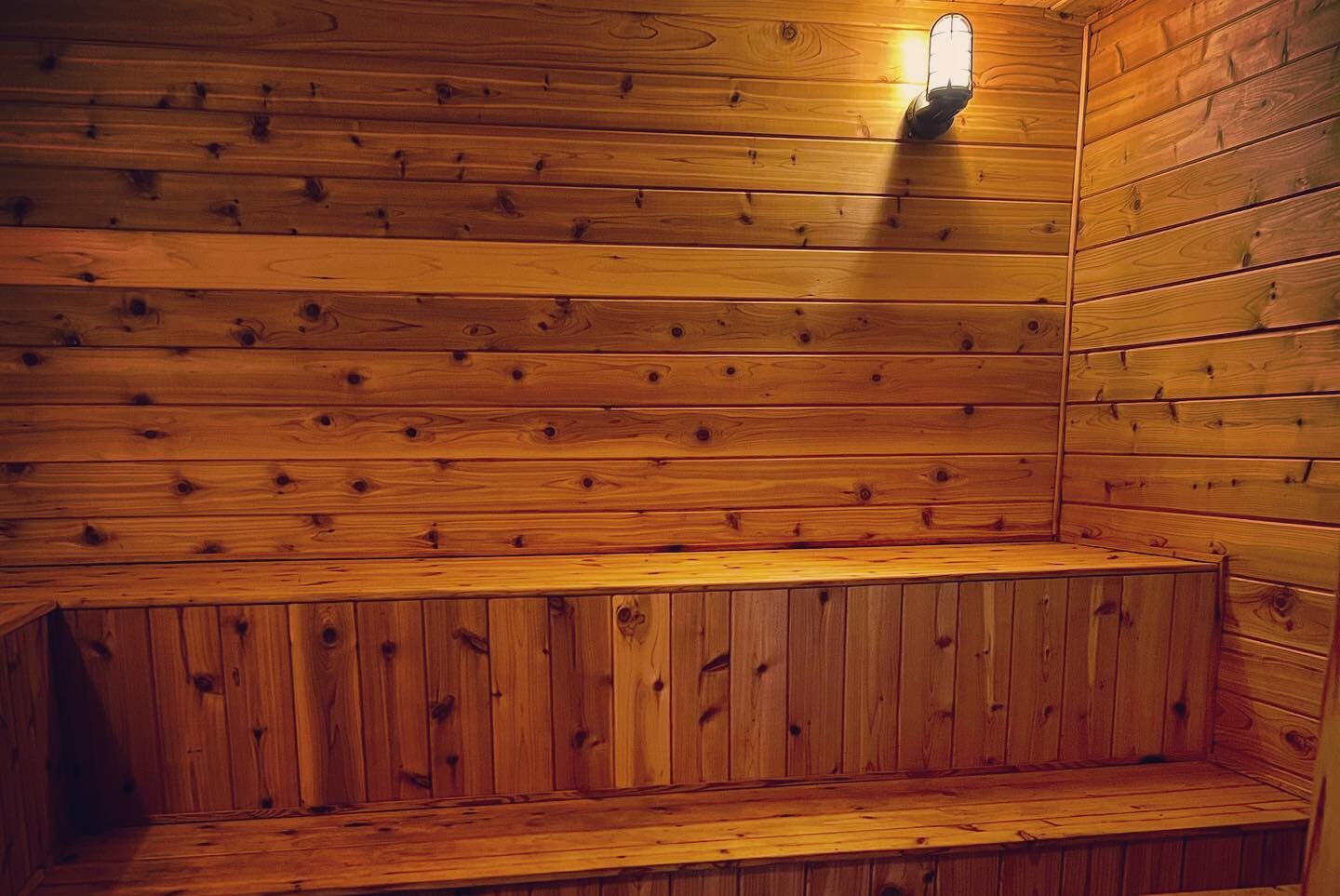
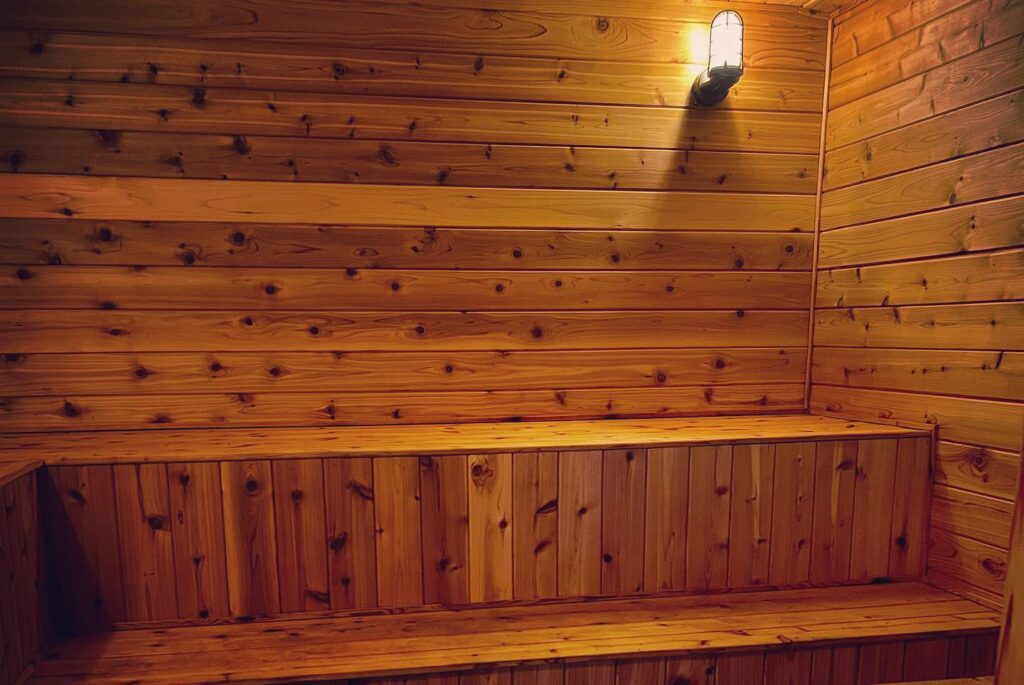
Chimney Hill Estate brings sauna and cold plunge therapy together through a focused hot and cold experience. Guests move through a dedicated area that includes a European style sauna, cold plunge tubs, and hot tubs, all arranged to support contrast, rest, and reflection.
The heart of this setup appears in the Sauna & Cold Plunge amenities at Chimney Hill Estate, where the property outlines how heat, cold, and soaking join in one flow. Sessions follow a simple pattern: warm up, plunge, rest, repeat. Each round helps the body learn how to respond to change with more ease.
Guests often describe a clear sequence of sensations:
- Weight and tension drop in the sauna as heat settles into muscles
- Cold water in the plunge tub triggers a bright, alert state
- Warmth from a robe, towel, or hot tub brings a wave of calm afterward
When paired with quiet indoor spaces, winter views, and slow meals, this “fire and ice” pattern shapes entire weekends or midweek breaks. The practice reaches beyond one session and begins to influence how guests move, think, and rest during the rest of their stay.
Self-Care Season as an Ongoing Choice
Winter invites a clear question: treat these months as a stretch to endure, or treat them as a season for deliberate self-care. Sauna and cold plunge therapy offer one strong answer to that question.
Heat, cold, and rest do not solve every problem. They do, though, give the body and mind a structured way to respond to stress, fatigue, and low mood. When those sessions take place in a setting built for calm, the effect often lasts longer than the time in the sauna or plunge tub.
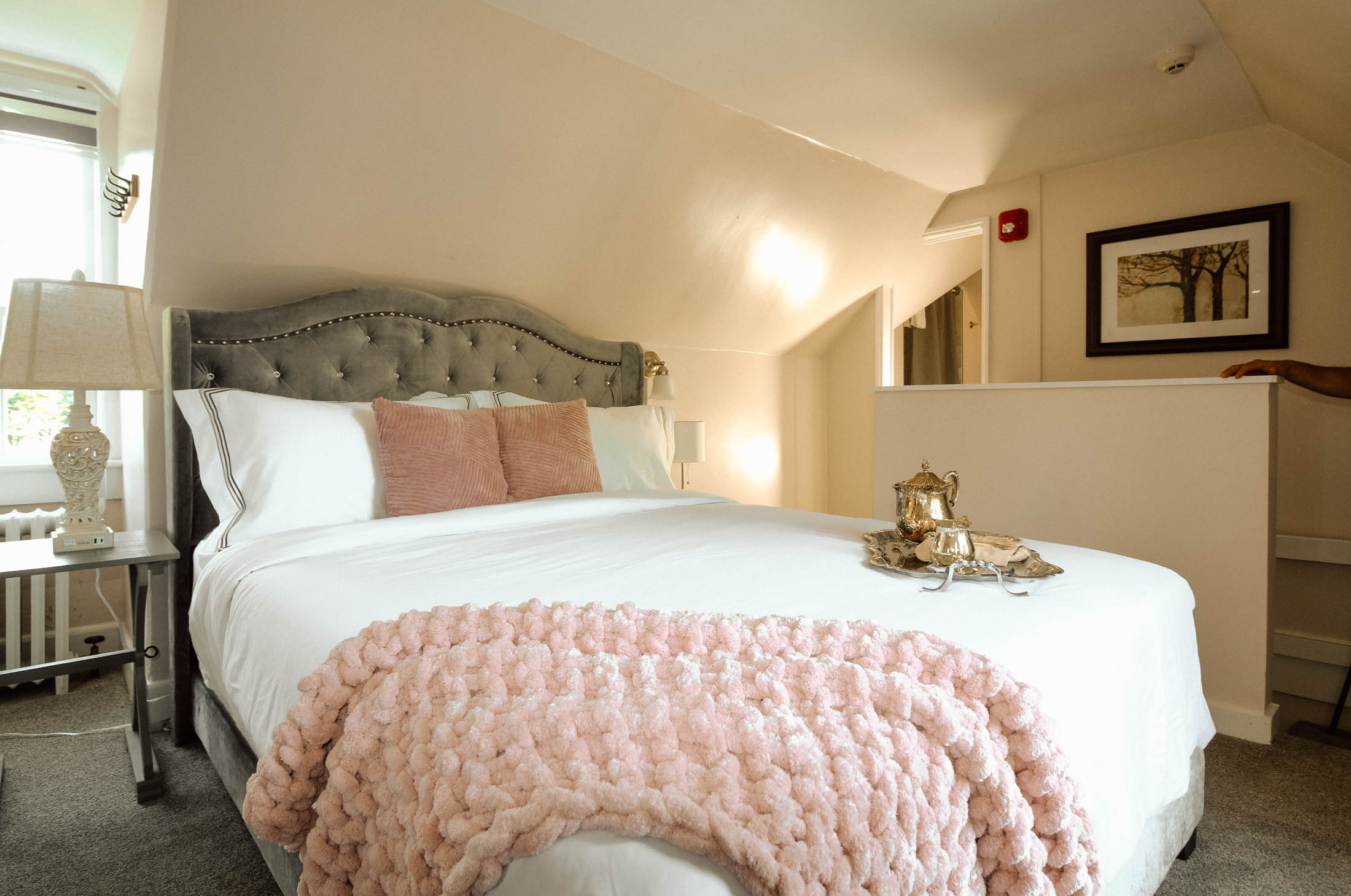
At Chimney Hill Estate, winter self-care sits at the center of the experience. Guests breathe steam in the sauna, step into cold water with intention, soak in hot tubs under winter sky, and sleep in quiet rooms on a hill above the Delaware River towns.
Season after season, that rhythm remains available. Self-care season does not depend on trends or resolutions. It grows from simple, steady practices that respect what the body and mind need most when days shorten and air turns cold.