
Teams do not need more “team building.” Teams need shared experiences that change behavior on Monday. The right retreat format builds trust, speeds decisions, and improves cross-team communication. The wrong format burns time and drains energy.
This guide takes a corporate, experiential view. Each idea pairs business outcomes with a real-world activity. Each one works for mixed personalities, mixed roles, and mixed energy levels. Each one also fits a private-estate retreat setting where people step out of default routines.
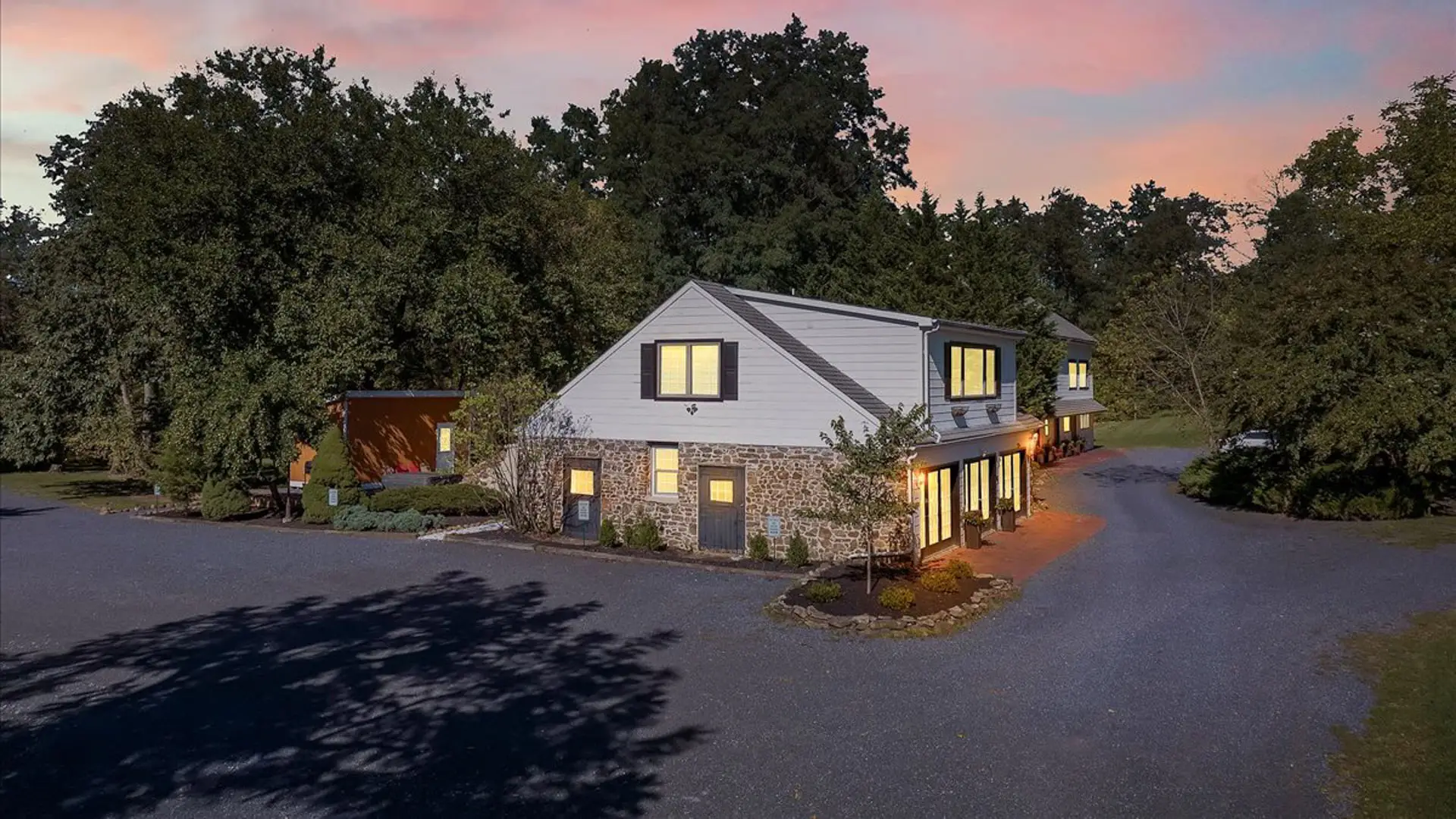
For retreat planning inspiration and format options, reference work retreat ideas and structures from Indeed and team offsite ideas with leadership framing from Forbes. For a venue lens tied to the setting, review Corporate Retreats at Chimney Hill Estate and the on-site wellness option in Sauna and cold plunge amenities at Chimney Hill Estate.
What makes team-building work in a corporate retreat setting
Team-building works when it solves one business problem. Teams often struggle with one of these:
- Slow decisions and unclear owners
- Siloed knowledge and duplicate work
- Low psychological safety in meetings
- Weak cross-functional empathy
- Burnout and low recovery
Experiential activities work because they create shared reference points. People stop debating hypotheticals. People respond to real constraints. People see how teammates think, adapt, and support others under pressure.
Use one rule for every activity. Tie it to an outcome you want to measure. Then debrief fast with clear takeaways.
Idea 1: The Decision Sprint, fast alignment with a real output
This is the highest-leverage retreat format for leadership teams and product teams. It looks simple. It produces visible results.
What it builds
- Decision clarity
- Ownership discipline
- Tradeoff honesty
- Faster execution after the retreat
How it works
Pick one high-stakes topic that has lingered for months. Examples: roadmap cuts, target customer, packaging, pricing principles, team structure, next-quarter priorities.
Run the sprint in three phases.
- Frame: write the decision question in one sentence and define what “done” means
- Options: list 3 to 5 viable options, each with clear upside and cost
- Commit: choose one option, name owners, write the first three actions
Experiential twist
Move the Options phase outdoors. Use a walk-and-talk format in pairs, then regroup. Pair walking reduces meeting posture. People speak more openly. The team returns with sharper options and less performative debate.
Debrief questions
- What did we avoid saying in the room that we said on the walk
- What tradeoff did we accept, and why
- What ownership gaps still exist
How to measure success
- One decision statement published within 24 hours
- Named owners for the first three actions
- Decision cycle time drops over the next two weeks
Idea 2: The Roles Reversal Lab, cross-functional empathy in one afternoon
This format reduces friction between teams. It also exposes hidden complexity in workflows.
What it builds
- Empathy across functions
- Cleaner handoffs
- Less blame, more shared problem-solving
- Better documentation habits
How it works
Create small squads with mixed roles. Each squad reenacts one critical workflow from another team’s perspective. Examples:
- Sales to onboarding
- Marketing brief to creative production
- Support ticket to engineering fix
- Product spec to QA to release notes
Each squad gets a simple packet:
- One real artifact from the workflow, a brief, a ticket, a spec, a customer email
- Three constraints, time, quality bar, and a surprise change
- A success definition in one sentence
Experiential twist
Run the exercise in different zones. Start at a table. Move to a lounge area. End with a standing review. The change in posture keeps energy high and reduces groupthink.
Debrief questions
- What felt unclear or incomplete
- Where did we lose time
- What single change would make this workflow easier
How to measure success
- Three workflow fixes agreed and assigned
- Updated templates or checklists within two weeks
- Fewer escalations in the next month
Idea 3: The Field Mission, local discovery with a business lens
Teams often stay inside during retreats. That creates a “conference room trap.” A field mission breaks the pattern while keeping the work relevant.
What it builds
- Observation skills
- Team coordination under light constraints
- Creative thinking
- Shared stories that strengthen connection
How it works
Create a simple mission brief tied to your business. Examples:
- Hospitality teams: document five service moments that felt premium and five that felt broken
- SaaS teams: observe how people choose between options in a real setting, menus, signage, retail displays
- Agency teams: capture “before and after” visuals, then write a two-sentence story for each
- Leadership teams: identify three “friction points” customers face in everyday decisions
Break into small teams. Give each team a phone camera and a template for notes. Set a tight time window. Bring everyone back for a show-and-tell.
Experiential twist
Require a “silent observation” segment for the first ten minutes. No discussion. Only note-taking. This forces real noticing. Then let the discussion start.
Debrief questions
- What patterns did we see across teams
- What surprised us
- What should we change in our own customer experience
How to measure success
- Five customer-experience fixes added to a backlog with owners
- Three new creative or messaging ideas tested in the next two weeks
- Higher alignment on customer reality in the next leadership meeting
Idea 4: Fire and Ice Reset, contrast therapy as team resilience practice
Corporate retreats often ignore recovery. Teams push through long days, then wonder why the work feels sluggish. A reset block changes energy and mood. It also builds trust through shared challenge, with strong consent and optional participation.
What it builds
- Stress regulation and recovery habits
- Respect for boundaries and consent
- Team bonding without forced games
- Better focus in the next session
How it works
Offer a guided block with clear options:
- Sauna only
- Cold plunge only
- Contrast cycle with short, controlled exposure
- Quiet recovery zone for people who opt out
Make participation choice-based. State safety rules upfront. Encourage steady breathing. Keep the pace calm.
Experiential twist
Pair the reset with a short reflection prompt right after:
- What did you notice in your body
- What helped you stay calm
- What support from others mattered
This connects the experience to workplace behavior. Teams learn what support looks like under pressure.
How to measure success
- Energy scores improve in a quick post-block pulse check
- Meeting participation increases in the next session
- Lower conflict temperature during hard discussions
Idea 5: The Skills Studio, peer-led learning that builds real respect
Most teams hold hidden expertise. People rarely share it because daily work stays narrow. A skills studio surfaces strengths and builds mutual respect fast.
What it builds
- Peer credibility
- Knowledge sharing across roles
- Better collaboration after the retreat
- More confident communication from quieter teammates
How it works
Ask each participant to teach a micro-skill in 10 minutes. The skill must be practical. Examples:
- How I run a clean meeting
- How I write a brief that gets results
- How I handle difficult stakeholder conversations
- How I structure an analysis so decisions move
- How I build a simple process that scales
Run sessions in small groups. Rotate groups every 15 minutes. End with a single list of “team standards” the group wants to keep.
Experiential twist
Require each micro-session to include one hands-on step. People learn through doing. A short practice run creates better retention than a talk.
Debrief questions
- Which standards should become defaults
- Which tools should we adopt across teams
- Which behaviors should leaders model first
How to measure success
- Three team standards published and used within two weeks
- Fewer repeated mistakes in briefs and handoffs
- Higher clarity scores in internal feedback
How to choose the right five ideas for your retreat goal
You do not need all five. Pick based on the business problem.
- Slow decisions: Decision Sprint
- Silo friction: Roles Reversal Lab
- Stale thinking: Field Mission
- Burnout signals: Fire and Ice Reset
- Hidden expertise: Skills Studio
One more rule helps. Keep the retreat human. Protect breaks. Add movement. Keep meals as conversation time, not dead time.
Why the setting matters for experiential corporate retreats
Experiential work needs space and variety. A private estate setting supports multiple zones, outdoor resets, and calmer transitions between sessions. Teams talk differently when they step out of the office frame.
Use the venue as a tool, not a backdrop. Outdoor paths support walk sessions. Lounge areas support small group work. Quiet corners support reflection. Wellness options support recovery and mood.