Most people who step into a cold plunge for the first time do so on instinct or impulse, with little understanding of what is actually happening inside their body. That gap between experience and explanation is exactly what this post closes.
Contrast therapy, the deliberate alternation of cold and heat exposure, is not a wellness trend borrowed from social media. It is a physiologically grounded practice with measurable effects on circulation, the nervous system, muscle recovery, and sleep quality. For anyone exploring a lambertville spa experience at Chimney Hill Estate Inn, understanding the science behind the cold plunge, sauna, and hot tub sequence transforms what might feel like a luxury amenity into a purposeful wellness protocol.
In the sections ahead, you will learn what contrast therapy actually is, what your body experiences during each phase, why the order of cold before heat matters more than most guests realize, and who should consult a physician before starting. You will also find practical tips for your first session. By the end, the sequence will make complete sense, and the benefits will feel earned rather than accidental.
What Contrast Therapy Actually Is (and Why It Is Not Just a Trend)
Contrast hydrotherapy is the deliberate alternation of cold and heat exposure to produce specific vascular and nervous system responses. It is not a spa luxury or a wellness trend; it is a documented modality with its own evidence base. The Global Wellness Institute classifies contrast hydrotherapy as an established practice, distinguishing it from short-cycle wellness fads that lack sustained research support.
The science is active, not settled. A 2024 study published in GeroScience via the National Institutes of Health identified cold water therapy as having “untapped potential” as a lifestyle intervention for healthy aging, which signals a field in productive development rather than one making premature claims.
Sequence is what separates contrast therapy from simply using a sauna or a cold plunge on its own. Each modality in isolation triggers a single-direction physiological response. The alternating sequence, cold followed by heat, creates a back-and-forth vascular and neurological stimulus that neither exposure produces alone.
This piece moves through each phase of that sequence: what the cold plunge does in the first sixty seconds, how the sauna drives a circulatory rebound, and how the hot tub resolves the nervous system into a restorative state. It also explains why completing all three phases matters, and why guests who want to indulge in a signature wellness experience at Chimney Hill Estate Inn in Lambertville can do so without leaving the property.
Phase One: The Cold Plunge and What Happens in the First 60 Seconds
The moment cold water contacts your skin, peripheral blood vessels constrict sharply, pulling blood away from your limbs toward your core organs. This is vasoconstriction: a protective reflex, not a malfunction. Your heart, lungs, and brain get priority circulation while your extremities wait.
Simultaneously, your adrenal system releases norepinephrine, a hormone that also operates as a neurotransmitter. Research documents a 530% spike in norepinephrine during cold immersion, along with a 250% rise in dopamine. These drive the alertness and mood lift practitioners consistently report, which is why cold feels clarifying rather than simply uncomfortable.
Expect an involuntary gasp and a rapid heart rate spike, especially in your first session. This cold shock response is normal, but it is why controlled breathing matters immediately. Slow exhales signal the nervous system away from sharp sympathetic activation toward a more stable state before moving to the sauna. Understanding why cold air makes warmth feel better starts here, in that first minute.
Guests with cardiovascular conditions, hypertension, or respiratory issues including asthma should consult a physician before cold immersion. The gasp reflex and blood pressure spike are manageable for healthy adults but warrant medical clearance when those systems are already under strain.
First-time guests should aim for one to three minutes rather than matching experienced practitioners. Cold adaptation is real; each subsequent session feels less shocking as your nervous system recalibrates.
Phase Two: The Sauna and the Cardiovascular Rebound
Once cold immersion drives blood away from the periphery, the sauna phase reverses that process. Heat causes vasodilation, sending oxygenated blood back to muscles and peripheral tissue deprived during cold exposure.
The cardiovascular demand is real. Research published in Mayo Clinic Proceedings confirms that sauna bathing elevates heart rate to levels comparable with moderate aerobic exercise, which is why regular sauna use is associated with improved circulatory health in otherwise healthy adults. The heart works, the vessels adapt, and the system grows more resilient through repeated thermal stress.
Heat also activates heat shock proteins inside cells. These proteins repair and recycle damaged cellular structures, and emerging research links elevated concentrations to healthy aging processes, including protection against muscle atrophy and neurodegeneration. The science is still developing, but the direction of evidence is consistent.
Sweating contributes its own mechanism. Perspiration regulates core temperature and clears metabolic waste products accumulated in muscle tissue, supporting recovery after physical exertion or cold immersion.
The sequence matters more than either element alone. Sharp vasoconstriction from the cold plunge followed by full vasodilation from sauna heat creates a vascular contrast that trains the cardiovascular system more effectively than heat or cold used in isolation. For a deeper look at how the hot tubs or sauna combination changes the recovery equation, the interaction between the two phases is where the real benefit accumulates.
Phase Three: The Hot Tub and the Parasympathetic Shift
Warm water immersion at moderate temperatures activates the parasympathetic nervous system by measurably decreasing sympathetic nervous system activity. Heart rate slows, cortisol begins to fall, and the subjective sense of calm that follows is a direct reflection of that autonomic shift.
Submersion adds a second mechanism: hydrostatic pressure. The weight of water against submerged tissue gently compresses soft structures, supporting venous return and reducing swelling and residual muscle tension. This is mechanical benefit, not just warmth.
Together, these effects define the hot tub’s specific function in the sequence: an integration window rather than a continuation of stress. The vascular work completed during the cold plunge and sauna phases does not consolidate while the body remains in a heightened sympathetic state. This resolution phase is consistently associated with improved sleep onset, reduced perceived stress, and post-session mental clarity. Those outcomes follow logically from parasympathetic activation, even where precise biomarker data remains an active area of research.
Guests who have explored hot tubs, sauna nights, and wellness rituals at Chimney Hill, or who have found that hot tubs make the shoulder season feel intentional, are experiencing precisely this phase without necessarily having named it.
Why the Order Matters: Cold Before Heat, Not the Reverse
That parasympathetic resolution the hot tub delivers only arrives because the earlier phases ran in the right order. Sequence is not a preference; it is the mechanism.
Starting with heat rather than cold undermines the entire protocol. A body already vasodilated from sauna exposure cannot generate a sharp vascular rebound when it meets cold water; the contrast is blunted before it begins. The physiological benefit of contrast therapy depends on that swing, from tight constriction to full dilation, being as pronounced as possible.
Cold immersion also performs a neurological priming function. The norepinephrine and cortisol released during the cold plunge put the nervous system on alert, heightening its responsiveness to everything that follows. The sauna and hot tub phases land differently, and more effectively, on a system that has already been activated. Starting with warmth skips that primer.
The cold-to-sauna-to-hot-tub arc is a deliberate progression: high sympathetic activation, then moderate cardiovascular exertion, then parasympathetic resolution. Reversing any phase disrupts the arc rather than simply reordering it. Wellness practitioners and naturopathic medicine resources consistently cite cold as the required opening phase for this reason.
First-time guests often find cold-first sequencing uncomfortable. That discomfort is the mechanism working, not a signal to stop. Controlled breathing and short initial durations of one to two minutes are enough to capture the physiological trigger while managing the adaptation curve.
The Benefits Guests Report: Sleep, Muscle Recovery, and Mental Clarity
Outcomes vary and rigorous effect-size data remains limited, but research and participant reports consistently point to three overlapping benefits: better sleep onset, reduced muscle tension, and sharper mental clarity.
Sleep follows a plausible physiological path. The hot tub phase warms the body and activates the parasympathetic nervous system; exiting triggers a core temperature drop that mirrors the body’s natural pre-sleep cooling arc, potentially making it easier to fall asleep.
Muscle recovery works through the vascular cycle built into the sequence. Alternating vasoconstriction and vasodilation acts as a passive circulatory pump, moving metabolic byproducts out of muscle tissue more efficiently than passive rest alone.
Mental clarity connects to the cold plunge phase. Cold immersion triggers a substantial norepinephrine release, a neurotransmitter linked to focus and mood regulation. Research published in PMC documents measurable improvements in positive affect and brain network connectivity following cold-water immersion.
For guests in their 40s, 50s, and 60s, this matters beyond weekend recovery. A 2024 review published in GeroScience via the National Institutes of Health identifies cold water therapy as a promising intervention for healthy aging, framing these benefits within a longevity context rather than purely athletic performance.
If you’re planning your visit with wellness as the priority, the Wellness Focus for a New Year Retreat guide and the full overview of Cold Plunge, Hot Tubs & Sauna at the estate offer helpful context before you arrive.
Who Should Check with a Physician First
Those benefits are real, but they come with a physiological intensity that warrants honest preparation before you step in.
The American Lung Association and AMA both flag extreme thermal exposure as a concern for specific populations. If you have cardiovascular disease, hypertension, or a respiratory condition including asthma, consult your physician before participating in cold immersion or sauna sessions. The reason is mechanical: the cold shock response triggers an involuntary gasp reflex and a sharp spike in heart rate within the first few seconds of immersion. In a healthy cardiovascular and pulmonary system, this resolves quickly. In a compromised one, that sudden demand can be dangerous.
Pregnancy is a standard contraindication for both cold plunge and sauna protocols. The thermal stress of each phase, and particularly the rapid temperature shifts across the full sequence, places demands on circulatory regulation that are not appropriate during pregnancy.
For all first-time guests, regardless of health status: start short. One to two minutes in the cold plunge and briefer sauna intervals than you think you need are sufficient to trigger the physiological response on a first session. The goal is completing the sequence, not maximizing duration.
This is guest preparation, not a liability disclaimer. Arriving with accurate health context means you can engage with the sequence confidently and get the most from it.
The Full Sequence at Chimney Hill Estate Inn in Lambertville
The physiological benefit depends on moving between cold plunge, sauna, and hot tub without significant delay. A long gap allows the nervous system to reset partially, reducing the vascular contrast effect the sequence is designed to produce. All three elements need to be on-site and close together.
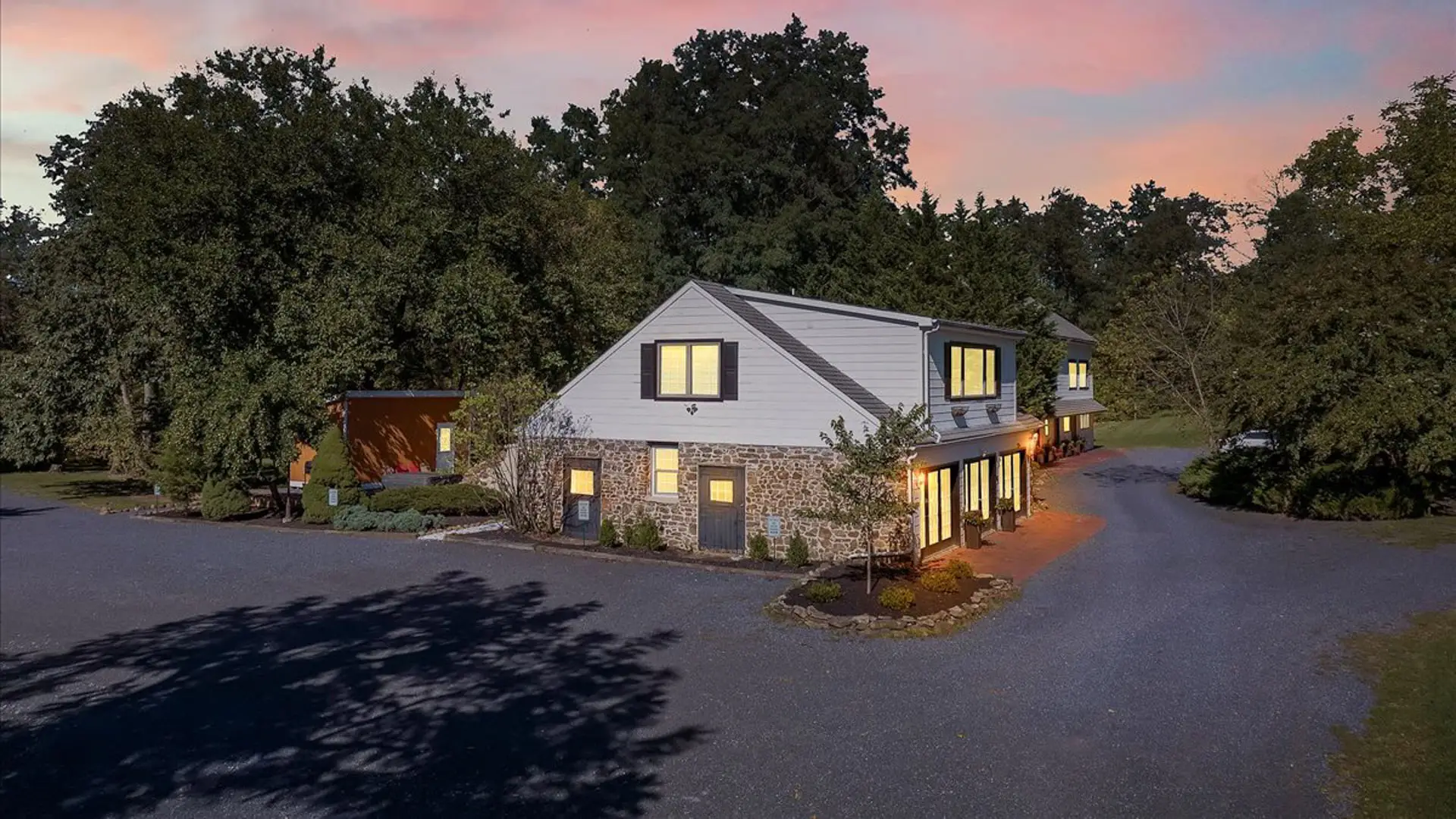
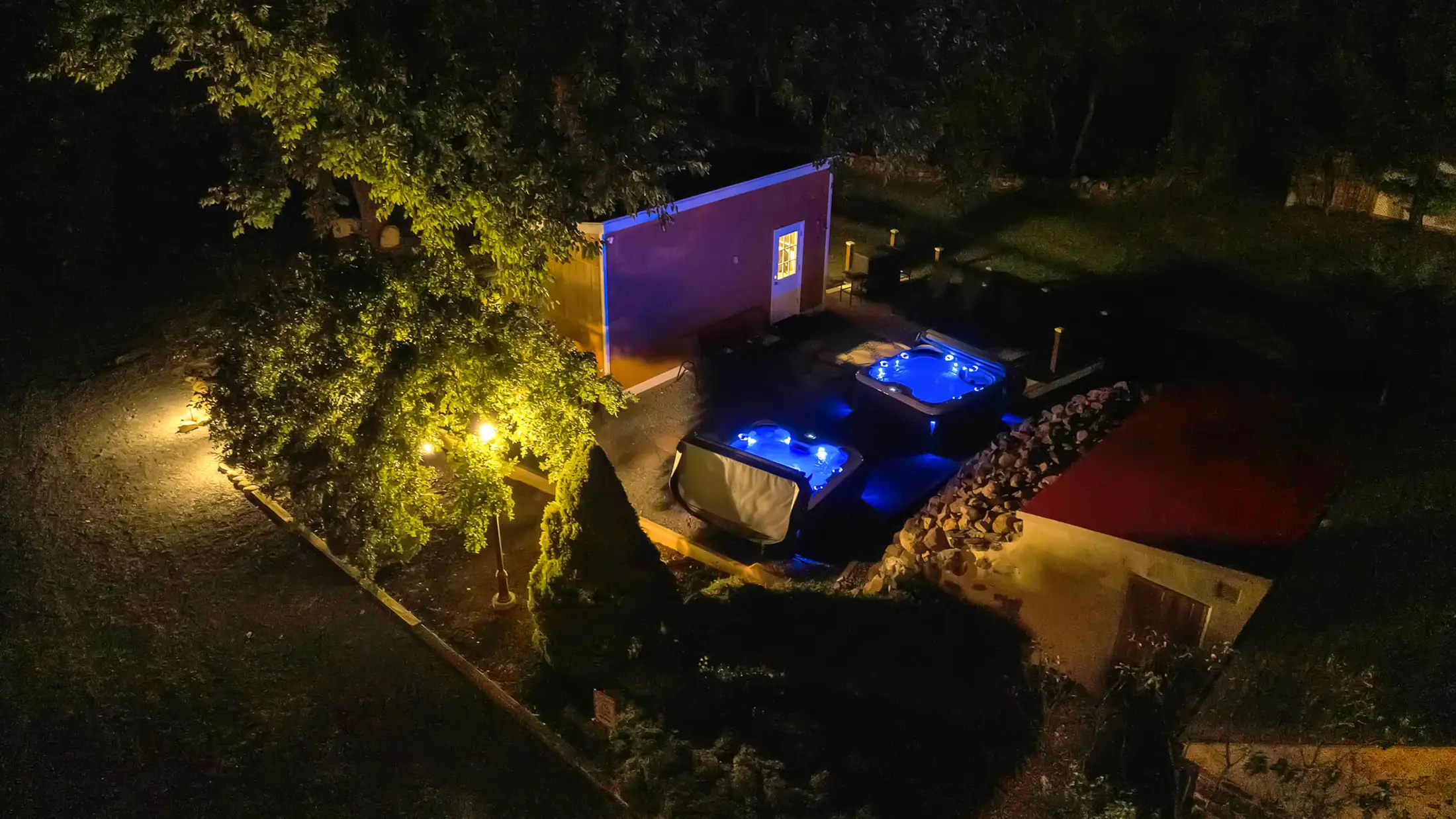
Chimney Hill Estate Inn in Lambertville, NJ provides exactly that integrated setup. Guests complete the cold-to-heat arc entirely on the property, without driving between facilities or scheduling separate appointments.
The setting amplifies the benefit. The estate’s 8.5 acres of quiet, historic grounds remove the urban stimulation that keeps the nervous system in a low-grade alert state. That environmental stillness supports the parasympathetic resolution the hot tub phase is designed to initiate. Calm surroundings are not incidental; they are part of the recovery context.
For guests whose primary goal is wellness rather than event attendance, the contrast therapy sequence sits naturally within a longer rest-and-recovery arc. Those using Chimney Hill Estate as your base also gain access to Lambertville’s broader wellness offerings.
Day-spa visits typically deliver a single modality at a time. An overnight or weekend stay at Chimney Hill Estate Inn enables the complete multi-phase sequence, repeated across a natural rest cycle.
Practical Tips for Your First Contrast Therapy Session
Knowing the sequence is half the preparation. These five habits will help you get more out of your first session.
- Hydrate before you start, and between phases. Sauna sweating and cold immersion both draw on fluid reserves. Arriving dehydrated amplifies discomfort and blunts the recovery benefit.
- Keep your cold plunge short on the first visit. One to three minutes is physiologically sufficient for a first-time participant. The goal is completing the full sequence, not setting a duration record.
- Pause between the sauna and hot tub. Moving directly from high-intensity sauna heat into warm water can trigger lightheadedness as your cardiovascular system adjusts. A brief rest, even two to three minutes of sitting quietly, lets your heart rate settle before the final phase.
- Skip alcohol before and during the session. Alcohol causes vasodilation on its own, which compounds the circulatory demand already placed on the body by the heat phases and impairs your ability to regulate core temperature accurately.
- Schedule the session later in the day if better sleep is your primary goal. The parasympathetic shift that the hot tub phase produces is most effective when it leads directly into rest. Running the sequence in the morning and then staying active for hours reduces that benefit considerably.
The Science Makes the Case; the Setting Makes It Possible
Once you understand the preparation, the underlying logic becomes clear. Contrast therapy works because of sequence, not simply because the equipment exists. Cold primes the vascular and sympathetic nervous system; sauna drives the cardiovascular rebound as vessels dilate and circulation surges; the hot tub resolves that activation into a parasympathetic, restorative state. Remove any phase, or reverse the order, and the arc breaks.
The outcomes guests report, including better sleep, reduced muscle tension, and sharper mental clarity, are participant-reported and supported by growing research interest. A 2024 peer-reviewed study in GeroScience identified cold water therapy as having significant potential as a healthy aging intervention, and institutional attention to contrast protocols has continued to build into 2026. These are promising signals, not settled clinical proof, and that distinction matters.
What Chimney Hill Estate Inn provides is the setting that makes the full sequence genuinely accessible. All three elements are on-site, the environment supports the parasympathetic recovery the protocol is designed to produce, and the historic 8.5-acre estate in Lambertville removes the friction that typically prevents people from completing the cycle at all.
If you are ready to move from reading to experiencing, viewing available dates at Chimney Hill Estate Inn is the natural next step.
Conclusion
Contrast therapy is not a wellness gimmick. It is a sequenced physiological protocol with a clear internal logic: cold exposure primes the nervous system, sauna drives cardiovascular rebound, and the hot tub guides the body into genuine recovery. The order matters, the setting matters, and the science behind it continues to strengthen.
The benefits guests report, including deeper sleep, faster muscle recovery, and improved mental clarity, reflect what happens when all three phases are completed correctly and without interruption.
Chimney Hill Estate Inn in Lambertville provides every element you need to experience the full sequence in a single visit, on a historic estate designed for exactly this kind of restorative escape.
You now have the knowledge. The only remaining step is showing up. Check available dates at Chimney Hill Estate Inn and give your body the complete experience it is built to respond to.