Why Cold Plunge Has Become the Wellness Question Guests Ask First
Cold plunge sounds simple until you stand at the edge of the water. Then it becomes personal. The body knows the water is cold before one foot goes in. The mind starts making arguments. The breath changes. A quiet challenge appears.
That first moment is why guests remember it. Cold plunge is not passive. It asks for attention right away. It pulls the body out of autopilot. It replaces a busy mind with one clear task: breathe through the cold, stay steady, then step out before the body feels overworked.
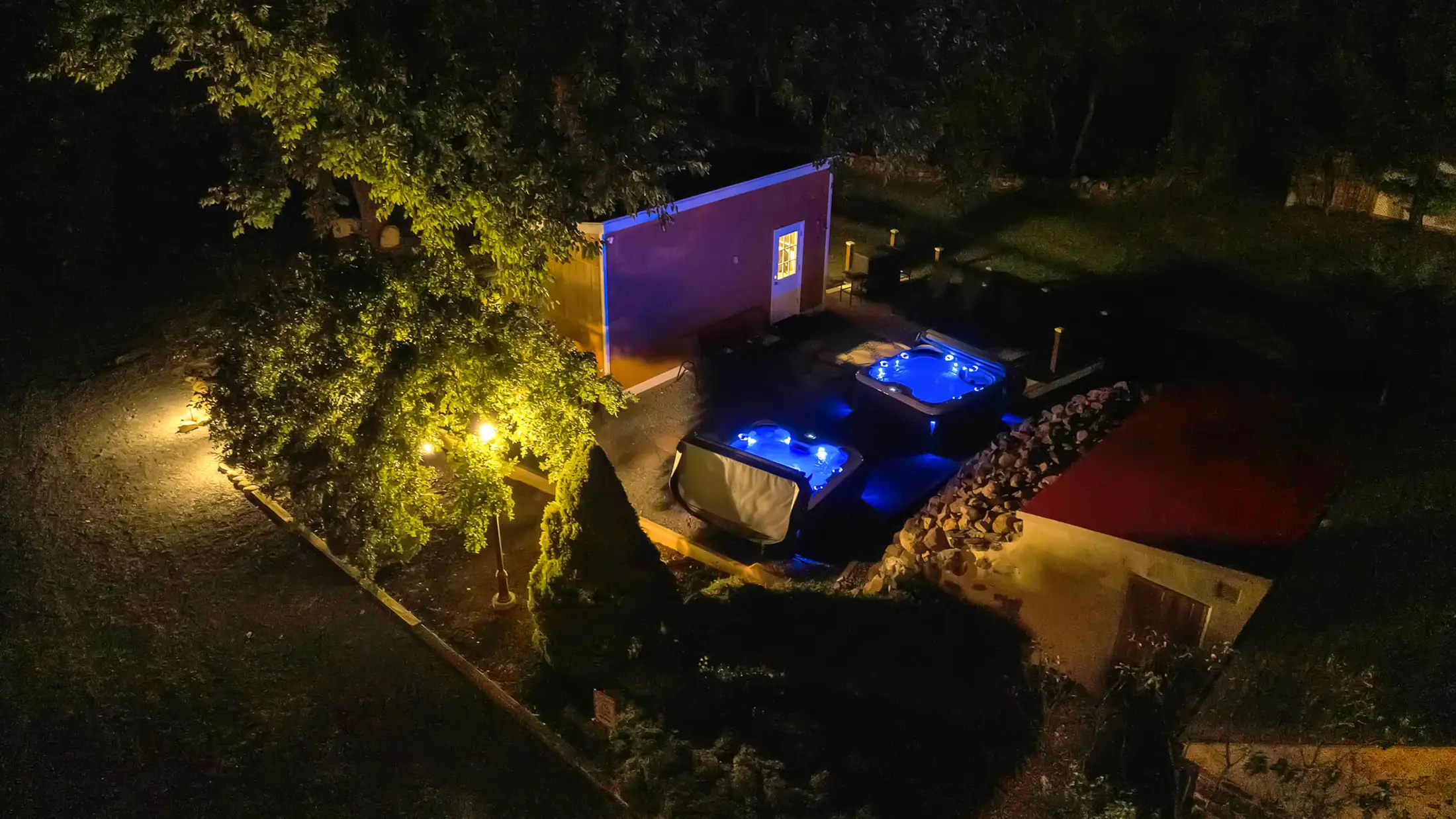
At Chimney Hill Estate, cold plunge belongs to the larger Fire and Ice wellness experience. Guests move between sauna heat, cold water, hot tubs, rest, and the quiet of a hilltop estate in Lambertville, New Jersey. The setting matters because the experience should feel grounded, not rushed.
This guide explains cold plunge in plain language. What happens in the body. How long to stay in. What to expect the first time. Why the sauna and plunge cycle feels different from a cold shower. Why guests come back after they already know how cold the water feels.
What Actually Happens When You Enter Cold Water
The first seconds of a cold plunge bring a strong body response. Cold water touches the skin, and the nervous system reacts fast. Breathing often becomes quicker. The heart works harder. Blood vessels near the skin tighten. The body shifts into protection mode.
This is why the first plunge should stay short. The goal is not to shock the body for as long as possible. The goal is to meet the cold, control the breath, and leave the water before the response becomes too intense.
Cold water also changes attention. Most thoughts disappear for a moment. The mind narrows. The body becomes the whole conversation. That is one reason guests describe the experience as clarifying. For a brief window, there is no inbox, no traffic, no schedule, and no mental noise. There is only breath and cold.
Cleveland Clinic explains that cold plunges involve cold water immersion and notes that the practice has possible benefits, but also real safety concerns around time, temperature, blood pressure, and heart strain. For a medical overview, read Cleveland Clinic’s guide to what to know before a cold plunge.
Why the First Breath Matters Most
The breath is the first tool in the plunge. When cold water hits, many people gasp. That response is normal, but the session improves once the breath slows.
First timers should think less about duration and more about control. Step in slowly. Keep the mouth closed if that helps. Breathe through the nose or use steady controlled breaths through the mouth. Let the body register the cold without turning the moment into panic.
Once breathing steadies, the experience changes. The cold still feels intense, but it feels more manageable. The mind starts to understand that the moment is temporary. The body starts to adapt.
This is the part many guests talk about afterward. They do not only remember the cold. They remember the moment they stopped fighting it. That shift feels powerful because it happens quickly and physically.
How Long Should a First Timer Stay In?
For a first cold plunge, shorter is better. Many beginners do well with a brief stay measured in seconds, not minutes. A safe first session should prioritize awareness, breath, and an easy exit.
There is no prize for staying longer than the body wants. Cold plunge should feel challenging, but not unsafe. Step out if you feel chest pain, dizziness, numbness, confusion, uncontrolled shaking, strong shortness of breath, or any signal that feels wrong.
As guests gain experience, they often build tolerance. Some find a comfortable short routine. Others prefer only one quick dip after the sauna. Both approaches fit the practice. The body does not need a long exposure to understand the contrast.
Cold plunge works best as a controlled wellness practice, not a competition. The smartest guests leave the water while they still feel steady. That choice makes the experience easier to return to.
Why People Pair Cold Plunge With Sauna
Cold plunge alone has impact. Paired with sauna, it becomes contrast therapy. Heat and cold speak to the body in opposite ways.
The sauna warms the skin and softens muscle tension. The body begins to sweat. Breathing slows for many guests. The room creates stillness. Then the cold plunge reverses the signal. The skin tightens. The breath sharpens. The mind becomes alert.
After the plunge, rest lets the body settle. This is the part guests often underestimate. The calm after contrast feels different from the heat and the cold. It feels like the body has moved through intensity and found steadiness on the other side.
At Chimney Hill Estate, the sauna and plunge cycle works because guests do not have to rush from one crowded station to another. The estate setting supports the quieter side of the ritual. Heat, cold, rest, and the grounds all work together.
The Simple Sauna and Plunge Cycle at the Estate
A Fire and Ice session should stay clear and easy to follow. Guests begin by preparing the body. Hydrate. Remove metal jewelry before sauna use. Bring sandals, a towel, and comfortable clothing for afterward. Avoid alcohol before the session.
The sauna comes first for many guests. Sit in the heat long enough to warm up, but not so long that you feel weak or lightheaded. Shorter rounds work well for beginners. When the body feels ready, step out slowly and move toward the cold plunge.
The cold plunge should be brief and controlled. Enter with care. Focus on breath. Stay only as long as the body feels safe and steady. Then step out and rest.
Rest completes the cycle. Sit. Breathe. Let the body warm naturally. Drink water. Some guests repeat the cycle. Others complete one round and feel finished. Either choice is valid when the body leads the decision.
What First Timers Say Afterward
First timers usually describe three stages. Before the plunge, they feel nervous. During the plunge, they feel shocked and focused. Afterward, they feel awake, proud, calm, or lighter.
Some guests laugh as soon as they step out. The body releases the tension fast. Others get quiet because they feel the nervous system settle. Some say they did not expect the after feeling to be so strong.
The after feeling is the reason many guests come back. The plunge itself is memorable, but the calm afterward is what people want again. It feels clean. It feels direct. It feels earned without needing a long workout or complicated ritual.
For couples, the first plunge often becomes a shared story. For friends, it becomes the moment everyone talks about later. For solo guests, it becomes a personal reset that feels different from ordinary rest.
Why Guests Come Back
Guests come back because cold plunge gives them a clear before and after. Before, the body feels tense, tired, distracted, or heavy. After, many people feel alert, calmer, and more present.
The experience also builds confidence. A first timer who feared the cold learns that a brief, controlled plunge is possible. That lesson stays with them. It turns the next visit from fear into anticipation.
Guests also return because the practice feels simple. There are no complicated steps. Heat. Cold. Rest. Hydrate. Listen to the body. The simplicity makes the session easy to understand and easy to repeat.
At Chimney Hill Estate, guests also return for the setting. The cold plunge is not disconnected from the stay. It belongs to a wellness experience on a peaceful property near Lambertville and New Hope. The room, grounds, sauna, hot tubs, and quiet all support the same purpose.
Cold Plunge and Recovery in Plain Language
Cold water changes blood flow, muscle sensation, and the body’s stress response. After hard movement, some people use cold water immersion to reduce soreness and support recovery. The cold does not erase the workout. It changes how the body responds afterward.
Mayo Clinic Health System explains that research on cold water immersion has found evidence that it helps reduce exercise induced muscle damage after physically challenging activity. It also notes that cold exposure affects blood flow, hormone production, metabolic activity, and the immune system. For a clear recovery focused overview, read Mayo Clinic Health System’s cold plunge recovery guide.
For guests, the recovery value often feels practical. A day walking Lambertville and New Hope. A morning on the towpath. A long wedding weekend. A hike near the river towns. A cold plunge after heat gives the body a strong reset point.
Recovery is also mental. The plunge asks for full attention. That break from ordinary thinking has its own value, especially for guests who arrive carrying work stress or travel fatigue.
What Cold Plunge Does Not Do
Cold plunge is not magic. It is not a cure for every ache, stressor, or health issue. It should not replace medical care, sleep, food, movement, hydration, or rest.
The best way to understand cold plunge is as a controlled stress practice. You expose the body to brief cold, manage the breath, leave the water safely, and rest. That practice may support recovery, mood, alertness, and the feeling of renewal, but it is not a guarantee.
This honest framing helps guests have a better experience. When cold plunge is sold as a cure all, people expect too much. When it is presented as a simple wellness tool, people pay better attention to how their own body responds.
At Chimney Hill Estate, the value comes from the full setting. The cold plunge matters. The sauna matters. The rest matters. The quiet property matters too.
Who Should Be Careful
Cold water immersion creates stress on the heart and blood vessels. Some guests should take extra care or avoid the practice unless a medical professional says it is safe.
People with heart disease, high blood pressure, circulation problems, fainting history, pregnancy, seizure history, uncontrolled asthma, nerve problems, or other medical concerns should speak with a qualified clinician before cold plunging. People taking medications that affect blood pressure, heart rhythm, hydration, or temperature regulation should also ask first.
Guests should not cold plunge after drinking alcohol. Alcohol affects judgment, hydration, and body temperature control. The session should begin with a clear head and enough energy to notice body signals.
Safety does not weaken the experience. It makes the experience repeatable. The goal is to leave feeling renewed, not depleted.
How to Prepare for a Better First Plunge
Start before the session. Drink water earlier in the day. Eat lightly, not heavily. Bring sandals, a towel, and dry clothes. Remove jewelry before the sauna. Give yourself time afterward instead of packing the next hour with plans.
Enter the sauna with patience. Let the heat build. Do not chase someone else’s timeline. When you leave the sauna, move slowly. Sudden movement after heat sometimes feels dizzying, especially for beginners.
Before entering the cold plunge, pause and breathe. Decide that the first session will be short. Step in with control. Keep breathing. Leave before the body feels overwhelmed.
Afterward, dry off and rest. Drink water. Let the body warm up naturally. Notice how you feel before deciding whether to repeat the cycle.
How Chimney Hill Runs the Wellness Experience
Chimney Hill Estate brings sauna, cold plunge, hot tubs, and quiet grounds together in one wellness setting. The property’s wellness experience includes indoor and outdoor areas designed around relaxation, recovery, and hot and cold therapy.
Guests who want to see how the cold plunge fits into the broader property experience should review Chimney Hill Estate’s health and wellness amenities. The page gives useful context for the sauna, jacuzzi, cold plunge pool, and the calm estate setting around the experience.
The setting is important because cold plunge works best when the rest of the session has room around it. Guests need time to prepare, warm up, cool down, and rest. A peaceful property makes that easier.
That is why the estate experience feels different from trying cold water quickly at home or in a loud fitness setting. The session has a start, a middle, and a finish. Guests get more than cold water. They get a ritual.
Why First Stop Matters This Season
The first cold plunge of the season shapes how a guest feels about the practice. If it feels rushed, unsafe, or overly intense, the body remembers that. If it feels guided by breath, rest, and a calm setting, the body also remembers that.
Chimney Hill is the cold plunge first stop this season because the experience does not depend on cold water alone. The sauna helps prepare the body. The plunge gives the shock and focus. The hot tubs and rest periods help the body settle. The property gives the whole session a peaceful frame.
For returning guests, the first seasonal plunge brings back a familiar feeling. For new guests, it creates a clean introduction. The key is not staying in the longest. The key is starting well.
Guests come back because the experience feels repeatable. It is challenging, but simple. Strong, but calm. Memorable, but not complicated. That is the kind of wellness practice people return to when the air turns cooler and the body starts asking for a reset.
The Cold Plunge Lesson Guests Remember
Cold plunge teaches something quickly: the body has signals worth listening to. The first plunge asks you to notice breath, tension, fear, focus, relief, and recovery. It makes wellness feel physical in a direct way.
That is why the practice earns repeat visits. People do not return because the water gets warmer. They return because the experience becomes familiar. The cold still arrives. The breath still matters. The calm afterward still feels rewarding.
At Chimney Hill Estate, the sauna and plunge cycle gives guests a clear way to enter the season. It starts with heat. It moves into cold. It finishes with rest. The whole experience fits the hilltop setting, the wellness amenities, and the slower pace guests seek in Lambertville.
Cold plunge is not about proving toughness. It is about learning how the body responds when the world gets quiet and the water gets cold. That is what happens. That is why guests come back.