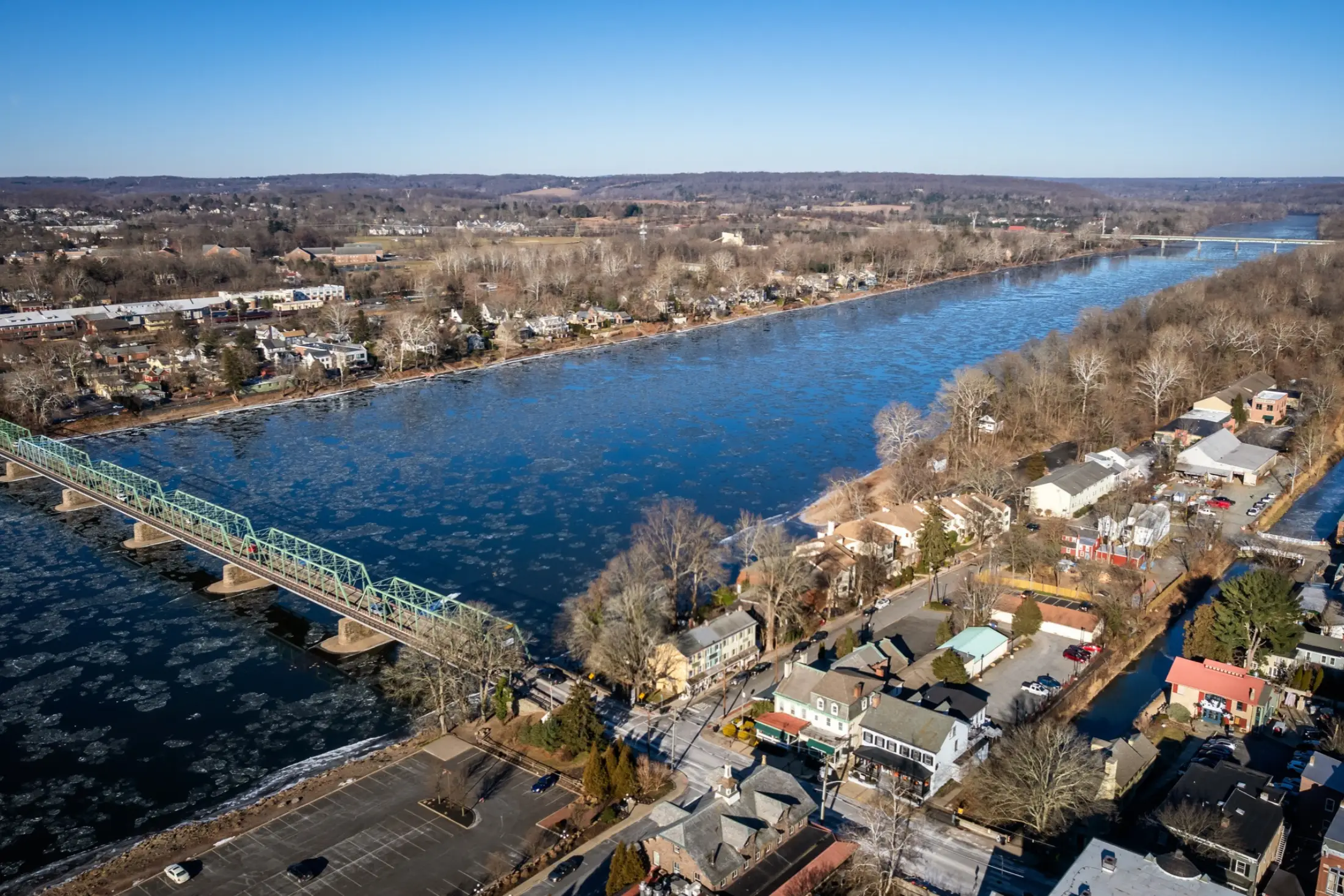

Booking a bed and breakfast can feel like a gamble. You see a few pretty photos, read some glowing reviews, and hope for the best. But unlike a hotel stay, where a brand name promises a certain standard, every inn is different. And that is exactly what makes a Lambertville B&B so charming, and also so easy to mis-book.
The trick is not to hunt for a ranked list of the “best” inns. The better approach is to compare them on the handful of things that actually predict a great stay. In this post, we will walk through a simple criteria framework: walkability, breakfast format, host presence, grounds, and booking terms. You will learn why these five areas matter more than any glossy photo, and you will get a pre-booking checklist with ten questions to ask before you reserve. Along the way, we will use Chimney Hill Estate as a running example. By the end, you will know how to compare the criteria, not the marketing, and book with confidence.
Why Bed and Breakfast Inns Are Easier to Mis-Book Than Hotels
A hotel brand sells you a repeatable experience. Bed and breakfast inns are idiosyncratic by design. Two inns can share a star rating and a similar nightly rate yet deliver completely different stays, because breakfast may be plated at 8:30 or left as a basket, a host may greet you or you may let yourself in with a lockbox, and the cancellation policy may refund most of your deposit or none of it.
That is why browsing listings is a weak way to choose. Photos of a pretty room say nothing about the shape of your morning. Most people searching for a bed and breakfast in Lambertville, or a bed and breakfast near me in the river towns, compare images rather than terms.
Instead of ranking inns, compare every candidate against the same five criteria: walkability, breakfast format, host presence, grounds, and booking terms. Those are the details that predict how a stay feels. The stakes are small on paper but real in practice: a two-night weekend is about 48 hours, and a wrong guess on breakfast timing, check-in logistics, or a non-refundable deposit can cost a meaningful share of it.
Chimney Hill Estate is one Lambertville option to run through that framework. The property is a bed and breakfast on 8.5 acres with guest rooms, suites, and event spaces, and owners Marek Wonka and Sylvester Kolakowski took ownership in 2021 and restored the historic property. You can also review rooms, suites, and the Carriage Suite at Chimney Hill to see which fit your trip.
In our experience, guests who confirm breakfast format, host presence, and cancellation terms before they pay a deposit rarely end up disappointed. Treat that as a good rule of thumb, not a guarantee.
Criterion 1: Walkability, or How You Actually Spend Your Evening
Walkability is not a vibe; it is door-to-dinner distance. It is how far you are from coffee, the riverfront, and the places you came to Lambertville to visit, and what that route feels like at 10 p.m. on a dark road. National data shows 76% of pedestrian fatalities happen at night, so an unlit shoulder is not a minor detail.
Run one specific check: put the inn’s exact address into a walking-directions tool and measure the door-to-door walk to two or three places you already plan to visit. Do not accept “walking distance.” Ask what changes the route besides mileage: hills, seasonal sidewalks, crossing Route 29 or the New Hope bridge, and whether you will carry anything back.
Then name the tradeoff. An in-town location usually means a smaller footprint and more street noise. A property set back from the center usually means driving to dinner in exchange for quiet. Neither is better by default, but know which trip you are buying. This is where Lambertville inns genuinely differ: several acres outside the grid reads very differently from a block off Main Street. Confirm real distances with the inn instead of inferring from photos. If you want a two-night plan that balances both, see this romantic weekend itinerary. Decide first: walkable weekend or quiet, drive-to-dinner weekend. Then filter candidates on that answer.
Criterion 2: Breakfast Format Is the Real Difference
Once you’ve settled walkability, breakfast is where a weekend quietly goes right or wrong. First-timers should know four common formats: a served, seated, multi-course breakfast at a set time; a buffet or continental spread over a window; a basket or tray delivered to the room; or a voucher to a local cafe. Four different mornings.
Format matters more than the menu. An 8:30 a.m. plated breakfast is lovely if you rise early and a problem if you planned to sleep in. A self-serve spread feels like freedom to one guest and a missing experience to another.
Send these questions before booking: What time is breakfast served, and is that time fixed? Is it seated or self-serve? Can you handle vegetarian, gluten-free, or dairy-free needs, and how much notice do you need? Also ask whether breakfast is included in the rate or billed separately, whether coffee or tea is out before the official start, and whether you can take breakfast to your room or outdoors.
Verify rather than assume. Scan the property’s booking and amenities pages for the words served, buffet, continental, or in-room. If nothing is stated, email and ask. Chimney Hill Estate guests should confirm breakfast directly with the property, since the format isn’t specified in the general description. For how a historic estate stay differs from a hotel, see our guide to Lambertville Bed & Breakfast vs. Hotel.
Comparing two inns on breakfast alone often explains why one feels like a full hosted stay and the other feels like a nice room with coffee. That mismatch is exactly what ruins a weekend.
Criterion 3: Host Presence and Who Is Actually Running the Inn
Breakfast tells you how the morning runs. Host presence tells you how the rest runs. It means who greets you, who answers the doorbell at night, and whether an owner or on-site innkeeper lives or works there, rather than a remotely managed unit with a lockbox and a phone number.
A host changes the trip in practical ways: current local recommendations, help with a reservation or a flat tire, a genuine welcome, and faster notice when something in your room needs fixing.
The counter-case is fair. Some travelers want near-total privacy and no interaction, and self-check-in can be exactly right. Know which one you are booking rather than assuming every bed and breakfast inn is hosted.
Ask before you pay:
- Is an owner or innkeeper on site during my stay?
- What are the check-in hours, and what if I arrive late?
- Who do I contact after hours?
To spot host presence, look for innkeeper, owner, or restoration language in the listing, then read recent reviews for the host’s name. Chimney Hill Estate (introduced above) is a case to check: confirm at booking how often the owners are on site.
Host presence is the least visible criterion on a booking page and the one that most shapes how a stay feels. Send the email rather than guess. If your trip includes a celebration, Chimney Hill’s wedding venue booking guide covers that process.
Criterion 4: Grounds and Outdoor Space You Will Actually Use
Host presence tells you who is looking after you. Grounds tell you where you will spend the in-between hours, and whether that space is actually yours to use.
This criterion is not just whether a garden exists. It is whether there is a chair you would genuinely sit in with a book or a glass of wine, and how much of the property is open to guests versus reserved for events. Grounds change the shape of a trip. Real acreage gives you a reason to stay in for an afternoon. A compact in-town inn gives you a reason to walk out. Both work, but they support different weekends.
Ask three questions before booking: Is there outdoor guest seating, and is it first come or reserved? Are there paths or gardens I can use? Is any part of the property closed for a wedding or event during my dates? Also check what listings omit: where parking sits relative to your room, outdoor lighting after dark, whether there is a porch, patio, or fire pit, and whether the grounds stay quiet in the morning.
Chimney Hill Estate is a useful example. Its own description places the property on 8.5 acres. That makes it exactly the kind of place to ask whether an event is scheduled during your stay and how it affects access to the grounds. If a garden wedding is part of the appeal, see what a historic estate offers.
If outdoor space is a major reason you are choosing a bed and breakfast inn over a hotel, verify it. Do not treat it as a decorative photo.
Criterion 5: Booking Terms, Cancellation, and What the Total Really Is
Once the grounds check out, compare what you actually sign. Start with the terms that cost money: cancellation deadlines and penalties, minimum-night requirements, deposits, refundable versus non-refundable rates, and how far ahead you can change dates.
Before paying, pin down the exact hour the free cancellation window closes in your time zone, what a partial refund returns, whether weekends or holidays have separate rules, and whether travel insurance is offered.
Small inns tend to be stricter than the flexible hotel rates you are used to. With fewer rooms, one cancellation is a bigger loss. That is a reason to read the terms, not to skip inns.
Then check checkout fees. In New Jersey, state sales tax and the State Occupancy Fee apply to transient accommodations booked through a transient space marketplace or managed as a professionally managed unit, so a quoted rate is not always the total (NJLM summary of these state fees).
Municipalities may license residential rentals under 175 consecutive days by someone with a permanent residence elsewhere, while leases of 90 or more consecutive days and hotels are excluded from the municipal occupancy tax definition. Municipal occupancy tax is capped at 3% statewide, but Lambertville’s own rate is not confirmed in the sources reviewed here, so ask the property to confirm it at booking.
Finally, request a written total for your exact dates, including taxes and fees, and ask which line items are refundable if plans change. The same contract-reading habit helps when comparing estate wedding venues in New Jersey, where fine print matters just as much.
The Pre-Booking Checklist: Five Criteria, Ten Questions
Now make the checklist runnable. For each candidate, write one line per criterion: walkability, breakfast format, host presence, grounds, booking terms. Put those lines side by side in a note so differences stay visible.
Send this before you book:
“Hello, I am considering [dates] at [address]. Could you answer five questions? 1) How far is the walk to downtown Lambertville, and what is the route like after dark? 2) What is breakfast format and timing? 3) Is an owner or innkeeper on site, and who handles after-hours issues? 4) What outdoor space is open to guests, and is an event scheduled during my dates? 5) What is the total including taxes and mandatory fees, and what are the cancellation terms?”
If an event is scheduled, our guide to what a wedding at Chimney Hill Estate actually costs explains how event space can shape access.
Undecided? Circle the two criteria that matter most for this trip and let the other three break ties. No inn wins all five.
Send questions before you get attached, and confirm answers in writing or in the booking confirmation, not in a phone call you cannot revisit. Early on, when scanning results for a Lambertville B&B or a bed and breakfast near me, sort by criteria rather than photos. Treat missing breakfast format, host presence, or cancellation terms as an open question, not a yes.
Compare the Criteria, Not the Photos
Here’s the short version: bed and breakfast inns are idiosyncratic by design, so compare candidates on the five criteria that shape a stay, not on a ranked list or a gallery of room photos.
Pick your dates, shortlist three inns, and send the same five questions to each. Record the answers side by side, then request a written total that includes taxes and fees before you pay any deposit.
Breakfast format and cancellation terms are usually where expectations go wrong. Walkability and grounds decide whether the trip matches the one you pictured, especially if you are planning around New Hope and Lambertville Restaurant Week or a quiet afternoon on the property.
An inn that answers clearly is showing you host presence before you arrive. Chimney Hill Estate, one Lambertville option on 8.5 acres with rooms, suites, and event spaces, is a reasonable place to start and to ask your questions directly.
Conclusion
Comparing bed and breakfast inns in Lambertville comes down to five criteria, not a gallery of pretty photos. Walkability and grounds shape the trip you actually take, while breakfast format and cancellation terms are where expectations most often break down. Host presence reveals itself in how clearly an inn answers your questions before you book. Send the same five questions to each shortlisted property, record the answers side by side, and request a written total that includes taxes and fees. Chimney Hill Estate is a straightforward place to start asking. Then pick your dates and send those questions today: the right inn will answer clearly, and that clarity is your first sign of a good stay.