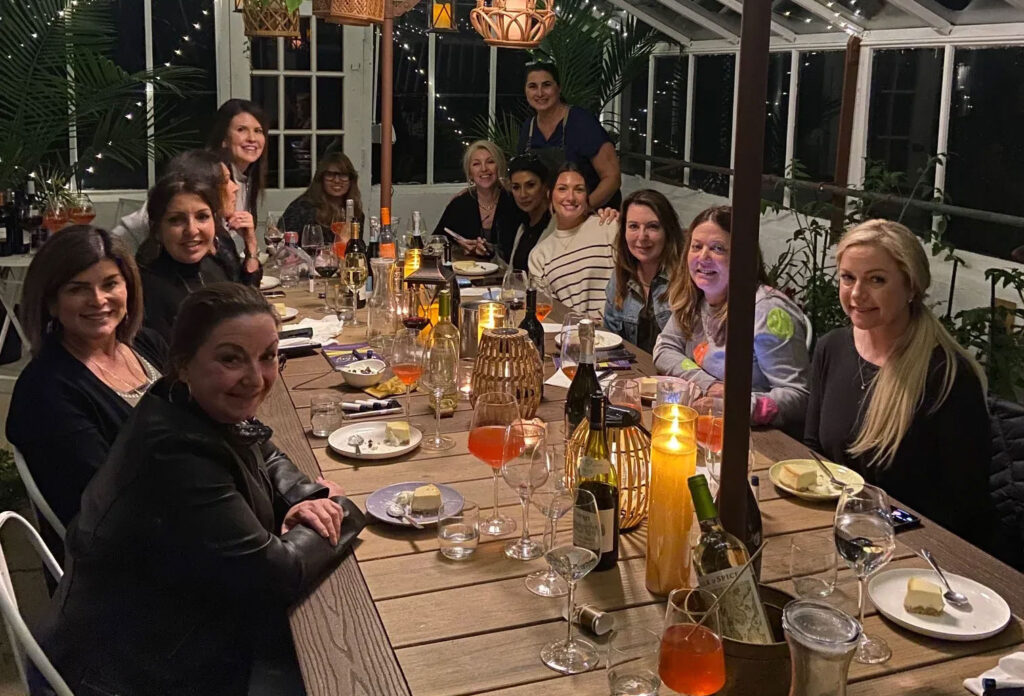
A private winter dinner at Chimney Hill Estate offers quiet grounds, historic character, and cozy interiors. Snow or frost outside, warm lighting and good conversation inside. The setting supports an intimate, refined evening without a stuffy feel.
This guide walks through vision, guest list, space planning, menu, decor, timeline, and overnight stay. You leave with a clear plan you can share with the Chimney Hill Estate team and with your caterer.
You also gain inspiration from luxury winter party ideas from Henry Bonas and menu suggestions drawn from cozy winter entertaining recipes from Food Network. Both sources focus on quality, seasonal ingredients, and thoughtful hosting, which aligns well with a private dinner at the estate.
SECTION 1: START WITH PURPOSE, GUEST LIST, AND BUDGET
Begin with a simple purpose statement. For example: celebrate a milestone birthday, thank key clients, or gather friends before the holidays. Purpose influences guest mix, tone, and menu.
Next, define the guest list range. A winter dinner at Chimney Hill Estate works best for a small group. A range of eight to eighteen guests keeps conversation lively and service smooth. Smaller groups suit a single table in the Old Stone Room or a cozy corner of a larger room. Slightly larger groups suit a banquet setup.
Set a realistic budget early. Include room rental, catering, beverages, staffing, decor, and any entertainment. A clear budget prevents last minute stress when decisions around menu upgrades or extra styling arise.
Questions to answer at this stage
• What occasion does the dinner honor
• Who needs a seat at the table
• How formal should the evening feel
• Which cost range feels comfortable
Once those points feel clear, you are ready to choose spaces within the estate.
SECTION 2: CHOOSE THE RIGHT SPACES INSIDE THE ESTATE
Chimney Hill Estate offers several indoor spaces that suit winter dinners. Each option brings distinct strengths. A quick walkthrough or photo review will help you match the group to the room.
Common options include
• A historic stone room for one long table and a fireplace focal point
• A banquet room with space for multiple tables
• A lounge like setting for cocktails before or after the seated portion
• Covered or enclosed patios that feel comfortable with heaters for a short toast
Aim for a simple flow
Arrival: guests step into a warm foyer or lounge and receive a welcome drink.
Cocktail moment: guests mingle in one room before moving into the dining space.
Dinner: guests sit at a single table or at small clusters, with room for staff to serve.
Nightcap: guests shift to a lounge area or outdoor fire feature for dessert and drinks.
Reserve a layout that keeps guests close enough for shared energy while avoiding a cramped feel. Ensure room for coats and winter accessories near the entrance so guests sit down free from clutter.
SECTION 3: DEFINE STYLE AND DECOR FOR A WINTER DINNER
Winter decor at Chimney Hill Estate should support the existing architecture and finishes. Historic stone walls, warm wood, and soft lighting form a strong base. You only need a few layers to reach a luxurious look.
Choose a simple palette. Deep green, ivory, warm taupe, and brass or gold accents work well. Add one accent tone, such as wine red or midnight blue, through napkins, ribbons, or fruit.
Use layered lighting. Rely on overhead fixtures for safety, then soften the room with table candles, wall sconces, and small lamps in corners. Candlelight flatters guests and reflects nicely on glassware and cutlery.
Bring in natural elements. Evergreen branches, eucalyptus, pinecones, seasonal fruit, and simple white flowers feel seasonal without a holiday theme. Low arrangements support conversation. Tall branches in corners add height without blocking sightlines.
Keep decor focused. One strong centerpiece approach and a few repeats through the room support a cohesive look. The overall result feels intentional, not cluttered.
SECTION 4: BUILD A WINTER DINNER MENU
A winter dinner menu at Chimney Hill Estate gains strength from seasonal produce, slow cooking, and comforting flavors presented with polish. You want guests to feel satisfied but not heavy or sleepy.
Structure the menu in four stages.
Arrival bites
Small bites help guests settle while drinks circulate. Think one or two options, easy to eat in one or two bites. For example
• Tartlets with caramelized onion and goat cheese
• Smoked salmon on small blini
• Roasted root vegetable skewers with herb dip
First course
Begin the seated portion with a warm soup or a composed salad.
• Roasted parsnip or carrot soup with a touch of cream
• Beet and citrus salad with toasted nuts and soft cheese
• Winter greens with pear, blue cheese, and a light vinaigrette
Main course
Offer two main options plus a thoughtful vegetarian dish.
• Braised short ribs with creamy polenta and roasted carrots
• Herb crusted rack of lamb with root vegetables
• Crispy skinned salmon with lemon butter and wild rice
• Wild mushroom risotto or roasted cauliflower steak for a meat free choice
Dessert
Conclude with a dessert that pairs well with coffee, tea, and digestifs.
• Flourless chocolate torte with espresso whipped cream
• Apple or pear crumble with vanilla ice cream
• A small cheese board at the center of the table
For detailed food inspiration, lean on cozy winter entertaining recipes from Food Network. Those recipes cover soups, mains, and desserts that suit a winter table, and many of them scale well for small events.
Coordinate menu choices with guest preferences and dietary needs. Request restrictions during the invitation process so your caterer adjusts early.
SECTION 5: PLAN BEVERAGES AND SIGNATURE TOUCHES
A strong beverage plan shapes the mood for a winter dinner. Think in three parts: welcome, pairing, and nightcap.
Welcome drink
Serve one signature welcome drink on a tray near the entrance.
• Mulled wine or mulled cider
• A spiced pear spritz
• A zero proof option with ginger, citrus, and soda
Wine and dinner pairings
Work with a wine consultant or caterer to select one white and one red that complement the menu. A sparkling option during the first course adds a celebratory tone without heavy alcohol. Keep water glasses full throughout.
Nightcap
Offer coffee, tea, and one or two digestifs during dessert and after dinner. Port, an amaro, or a dessert wine closes the evening in a relaxed way. Present these near a lounge area or near a fire for a shift in mood after the main meal.
Small signature details
• Personalized menus with the event name and date
• Place cards at each setting for a guided seating plan
• A short printed note at each seat sharing the story behind the dinner
SECTION 6: BOXED CHECKLIST FOR YOUR WINTER DINNER
Box: Private Winter Dinner Event Checklist at Chimney Hill Estate
Use this checklist during planning and again one week before the event.
• Confirm purpose, guest count, and budget
• Select date, start time, and end time
• Reserve event spaces inside Chimney Hill Estate
• Choose floor plan and table layout
• Confirm room for coats, bags, and winter accessories
• Align with caterer on menu and dietary needs
• Finalize beverage plan, including welcome drink and nightcap
• Choose decor palette, florals, and linens
• Prepare seating plan and place cards if needed
• Arrange background music playlists for cocktails, dinner, and dessert
• Confirm staffing levels with venue and caterer
• Share a simple timeline with all vendors and with a key contact guest
Print this section or convert into a shared document. That step keeps everyone aligned and reduces day of questions.
SECTION 7: SHAPE A REALISTIC EVENING TIMELINE
A clear timeline prevents rushed courses and awkward gaps between segments of the evening. Use the following example as a starting point, then adjust for your group.
5:45 p.m. to 6:15 p.m.
Key hosts and family members arrive. Coats and bags go to a designated area. Final checks on table, lighting, and music. Welcome drinks ready at the entrance.
6:15 p.m. to 6:45 p.m.
General arrivals. Guests receive a welcome drink and a small bite. Light background music supports conversation in the lounge or cocktail area. A host greets each guest by name.
6:45 p.m. to 7:00 p.m.
Transition to the dining room. A short welcome from the host near the table. Guests find their seats using place cards or a simple escort card display.
7:00 p.m. to 7:30 p.m.
First course. Staff pour wine or water and keep service smooth but unhurried.
7:30 p.m. to 8:15 p.m.
Main course. A short toast fits well near the start of this window.
8:15 p.m. to 8:45 p.m.
Dessert and coffee service. Background music shifts to a slightly softer, more relaxed playlist.
8:45 p.m. to 9:30 p.m.
Nightcap in a lounge or near a fire feature, if weather cooperates. Guests move around, talk in small groups, and wind down.
Share this outline with the Chimney Hill Estate team and with your caterer so service and flow stay in sync.
SECTION 8: OVERNIGHT STAYS FOR A FULL WINTER EXPERIENCE
One advantage of Chimney Hill Estate: guests have the option to stay on site. A private winter dinner becomes more special when key guests avoid a late night drive in cold weather. Morning conversations over breakfast round out the experience.
Encourage out of town guests or older relatives to reserve rooms early. Highlight the benefit of a slow morning, breakfast on the property, and time to explore Lambertville or New Hope the next day.
Direct guests to reserve cozy rooms and suites on the property so they secure preferred room types and dates. Share suggested room blocks during early planning for larger groups.
SECTION 9: LEARN FROM LUXURY WINTER PARTY PRINCIPLES
Hosting experts emphasize a few principles for winter events: strong lighting, layered textures, thoughtful seating, and high quality food served in a relaxed way. Those points appear across many guides, including luxury winter party ideas from Henry Bonas.
Key takeaways from that style of guidance
• Focus on guest comfort first: warmth, seating, and smooth service
• Use decor to enhance the setting, not hide it
• Keep the menu seasonal and balanced, not heavy from start to finish
• Limit the number of competing activities so conversation stays central
Apply those ideas to Chimney Hill Estate by leaning into the historic building, the seasonal surroundings, and the intimate scale of the property.
SECTION 10: WORK WITH THE CHIMNEY HILL ESTATE TEAM
Strong collaboration with the onsite team turns a good plan into a smooth evening. From first contact through the night of the dinner, clear communication supports success.
Reach out early with a short overview: purpose, preferred dates, expected guest count, and budget range. During that outreach, reference any special requests, such as live music, audio needs, or specific decor elements.
Once you feel ready, use the event page on the Chimney Hill Estate site to plan a private winter dinner event at Chimney Hill Estate. That page connects you with the team, outlines event options, and supports next steps.
During planning, align on
• Room selection and layout
• Catering approach and menu review process
• Staffing support and service style
• Setup and teardown timing
• House rules around candles, florals, and decor installation
Bring the printed checklist and the timeline overview to your final planning conversation. Those documents show preparation and help the team respond with useful suggestions.
SECTION 11: CLOSE WITH A CLEAR CTA FOR YOUR GUESTS
A strong ending to the evening shapes guest memory. Offer a small favor, such as a truffle, a small jar of local honey, or a printed menu guests can take home. Share transportation details for guests who do not stay overnight. Confirm breakfast time for guests who booked rooms.
After the event, send a short follow up message with a thank you note and any photos from the evening. Mention how much the shared time meant to you.
For your own next step, choose a target date, decide on group size, and reach out to the Chimney Hill Estate team. With a clear purpose, a simple plan, and strong partners on site, your private winter dinner feels calm, elegant, and memorable from first arrival to final goodnight.