Corporate retreats are supposed to reset teams. Too often they feel like long office days in a different building. Fluorescent lights, packed agendas, and no real time to think. People return home more drained than when they left.
A hilltop estate above Lambertville tells a different story. Chimney Hill Estate gives teams quiet, trees, stone walls, and spaces that feel more like a private home than a hotel. The focus sits on wellness, deep work, and privacy, not on conference badges.
Teams meet in warm rooms, walk under open sky, sit in a European style sauna, and end the day in comfortable suites instead of generic corridors. The setting makes it easier to talk honestly, decide clearly, and rest fully.
This post looks at how to design corporate retreats that do not feel corporate, what elements matter most, and how Chimney Hill Estate near New Hope and Lambertville supports that style of gathering.
Why Corporate Retreats Need Wellness, Productivity, and Privacy
A good retreat serves three goals at once.
You want people to feel better in their bodies and minds. You want real progress on strategy and projects. You also want a private setting where teams can speak openly without outside noise.
Most standard venues help with only one or two of those aims. Meeting rooms support presentations, but not recovery. Resorts support free time, but not focus. Busy hotels offer rooms, but not privacy.
Chimney Hill Estate answers all three needs. The wellness features support nervous system reset. The quiet hill encourages concentration. The scale of the property gives your group a sense of privacy that can be hard to find near major cities.
A clear overview of how the estate hosts business groups appears in the corporate retreat options at Chimney Hill Estate, which explains how meeting spaces, lodging, and wellness amenities come together for teams.
What Are the Essential Elements of a Successful Corporate Retreat?
Strong retreats share a common structure, no matter the industry. The content, style, and dress code may change, yet the building blocks look similar.
Drawing on ideas in this comprehensive list of corporate retreat ideas from Routespring and this inspiration for modern corporate retreat formats from AvantStay, plus the model in Chimney Hill Estate’s retreat program, you see a pattern with a few core parts.
1. A clear purpose
Everyone should know why they left the office. Strategy reset. Culture repair. Cross team connection. Creative planning. Pick one or two goals and let them shape the agenda, the guest list, and the choice of venue.
2. Space for deep work and real rest
You need blocks of focused time for planning, problem solving, and decision making. You also need genuine breaks. Wellness activities, walks, and quiet rooms help people process ideas instead of jumping from session to session without pause.
3. A setting that feels different from the office
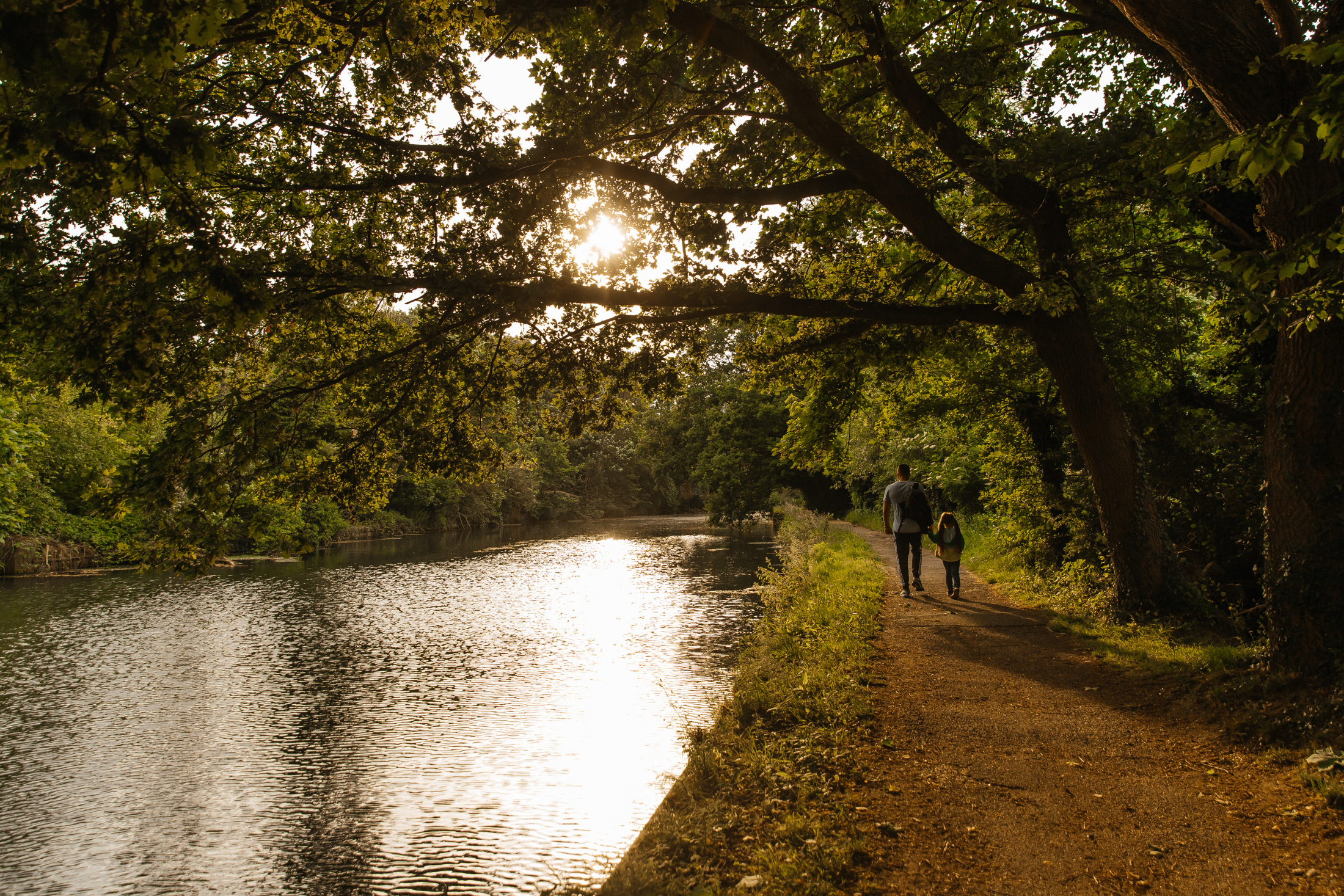
The environment does a lot of invisible work. Stone and wood feel different from glass and metal. Trees and fields support a different level of attention than parking lots and traffic. Chimney Hill Estate’s hilltop location and historic buildings give teams this contrast without long travel times from major hubs.
4. Right sized group and spaces
Good retreats keep group size in sync with the property. At Chimney Hill Estate, a full group fits into shared rooms and outdoor areas without feeling lost or crowded. People see familiar faces throughout the stay, which supports connection and trust.
5. Access to nature and wellness amenities
Walks, fresh air, and simple movement help ideas land. Sauna, hot tubs, and quiet corners help nervous systems calm down after intense sessions. The estate’s wellness features, described in the health and wellness amenities at Chimney Hill Estate, add a layer of support that standard hotels lack.
When these elements align, a retreat stops feeling like a roadshow. It starts to feel like a small, focused reset for both people and business.
How to Organize Corporate Retreats That Do Not Feel Corporate
Planning a retreat with a different feel starts long before your team arrives at the estate. The structure of the plan matters as much as the venue.
Start with outcomes, not activities
Before you think about yoga mats or flip charts, write down three outcomes you want. Examples: renewed trust within leadership, a clear six month roadmap, or a shared understanding of company priorities. Let those outcomes guide which sessions deserve the most energy.
Mix structured time with white space
Avoid back to back sessions from morning to night. Instead, design a flow where intense working blocks alternate with breaks. Use nature walks, wellness sessions, or quiet coffee time to help people integrate what they just discussed.
Keep group sizes small inside the retreat
Even if the full group feels large, the most important conversations often happen in small circles. Plan breakout groups that mix departments and seniority levels. The estate’s layout makes it easy to place each small group in its own corner, porch, or sitting room.
Use wellness as a support, not a distraction
Wellness features should hold the retreat, not pull attention away from it. Light the sauna in the late afternoon to signal the shift from work to rest. Suggest hot tubs and quiet spaces as a way to wind down after heavy planning sessions. Treat wellness as infrastructure for performance, not as entertainment.
Protect privacy and focus
One reason Chimney Hill Estate works well for corporate retreats is its sense of seclusion. The property sits above town, away from street traffic and casual foot flow. Once your group arrives, they share the hill with only a few other guests or, in some cases, only with one another. This supports honest discussion and deep focus.
For more detailed examples of how this kind of retreat comes together, the estate’s own guidance in the corporate retreat options at Chimney Hill Estate offers a helpful framework that blends meetings, wellness, and shared experiences.
Wellness as a Productivity Tool
Some leaders worry that wellness features will turn a retreat into a spa trip. The reality is the opposite when you structure the experience well.
Sauna sessions, hot tubs, and quiet hilltop evenings help people recover from decision fatigue. After a long stretch of strategy work, time in the estate’s wellness areas allows the nervous system to reset. People sleep better, wake sharper, and return to sessions with more patience and creativity.
A few simple patterns support this link between wellness and productivity:
Short morning walks around the grounds before work blocks
Midday breathing or stretch breaks
Late afternoon rotations through the sauna and hot tubs
Evenings protected from heavy content, which helps sleep
The goal is not indulgence. The goal is sustainable focus. When your team feels physically better, they have more capacity for complex conversations and real change.
Privacy and Psychological Safety on a Hilltop
Open conversation needs privacy. People share honest views on culture, leadership, and risk when they feel safe from outside eyes and ears.
Chimney Hill Estate offers that sense of privacy in practical ways. The property sits above Lambertville and New Hope, yet stays close enough for short drives if a group wants time in town. Rooms and common areas feel contained. You do not pass through busy lobbies or see a changing crowd each hour.
This physical privacy supports psychological safety. Teams sit in living room style spaces rather than rows of chairs. Leaders and staff share sofas, not podiums. The environment levels status and invites participation.
When people feel safe, they speak more clearly about what works and what does not. Retreat time becomes more valuable, since hidden concerns and good ideas both surface faster.
How Chimney Hill Estate Supports Different Retreat Styles
Not every team needs the same program. Some groups want a quiet place to think. Others want more structured experiences. The estate’s flexible setup supports a range of retreat styles, including:
Leadership offsites that blend strategic work with quiet reflection
Wellness focused resets after intense quarters or big projects
Cross functional planning sessions for product or service launches
Small company or startup retreats that need privacy and informal spaces
The New Hope and Lambertville area adds variety when teams want it. Restaurants, small shops, galleries, and river walks sit a short drive away, as outlined in the inn’s guide to New Hope and Lambertville near Chimney Hill Estate. Teams can spend a few hours in town, then return to the hill for quiet evenings and the next working block.
Through all of these formats, the core remains the same: a calm hilltop setting, a focus on wellness and privacy, and a structure that respects human energy as much as business goals.
Why Corporate Retreats at Chimney Hill Estate Feel Different
The difference shows up in small details.
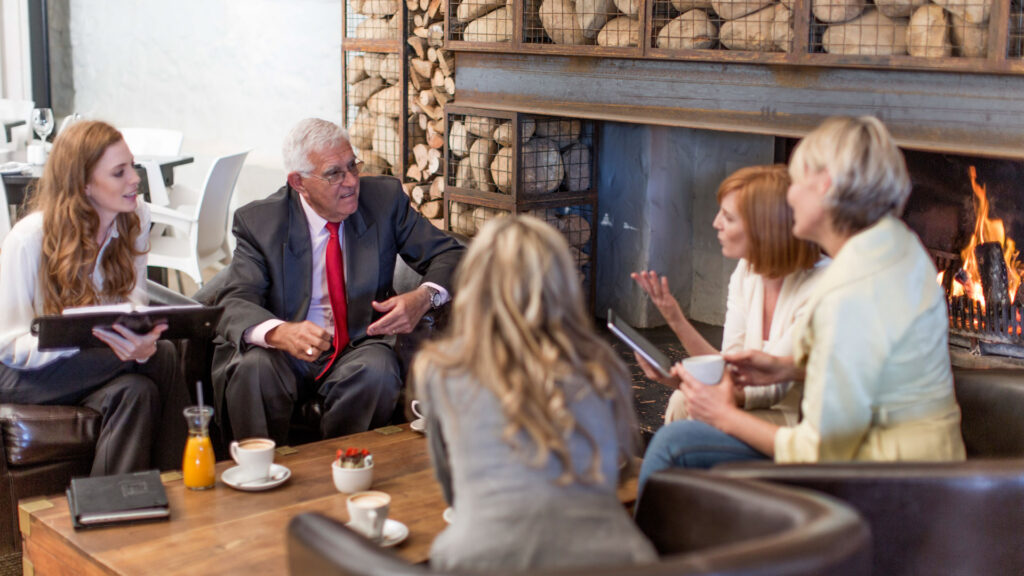
People gather around a fireplace or a farmhouse table, not a long fluorescent boardroom. Breaks happen on porches and lawns, not crowded hallways. Evening talks take place under trees and stars instead of under ceiling tiles.
Colleagues see each other as humans, not only as titles. They share quiet moments over coffee in the morning, relaxed time in the sauna, and unhurried conversations in common rooms at night. Those experiences build trust that carries back into everyday work.
By combining wellness, focused work, and privacy, Chimney Hill Estate offers corporate retreats that do not feel corporate at all. They feel like thoughtful, well held pauses in the life of a team, where people can breathe, think, and return to their roles with more clarity and connection.