Most couples start their venue search with the usual suspects: grand ballrooms, rustic barns, or manicured outdoor gardens. But what if the most memorable space on a property is something a little more unexpected? At Chimney Hill Estate in Lambertville, New Jersey, that space is the greenhouse, and it has been turning heads for all the right reasons.
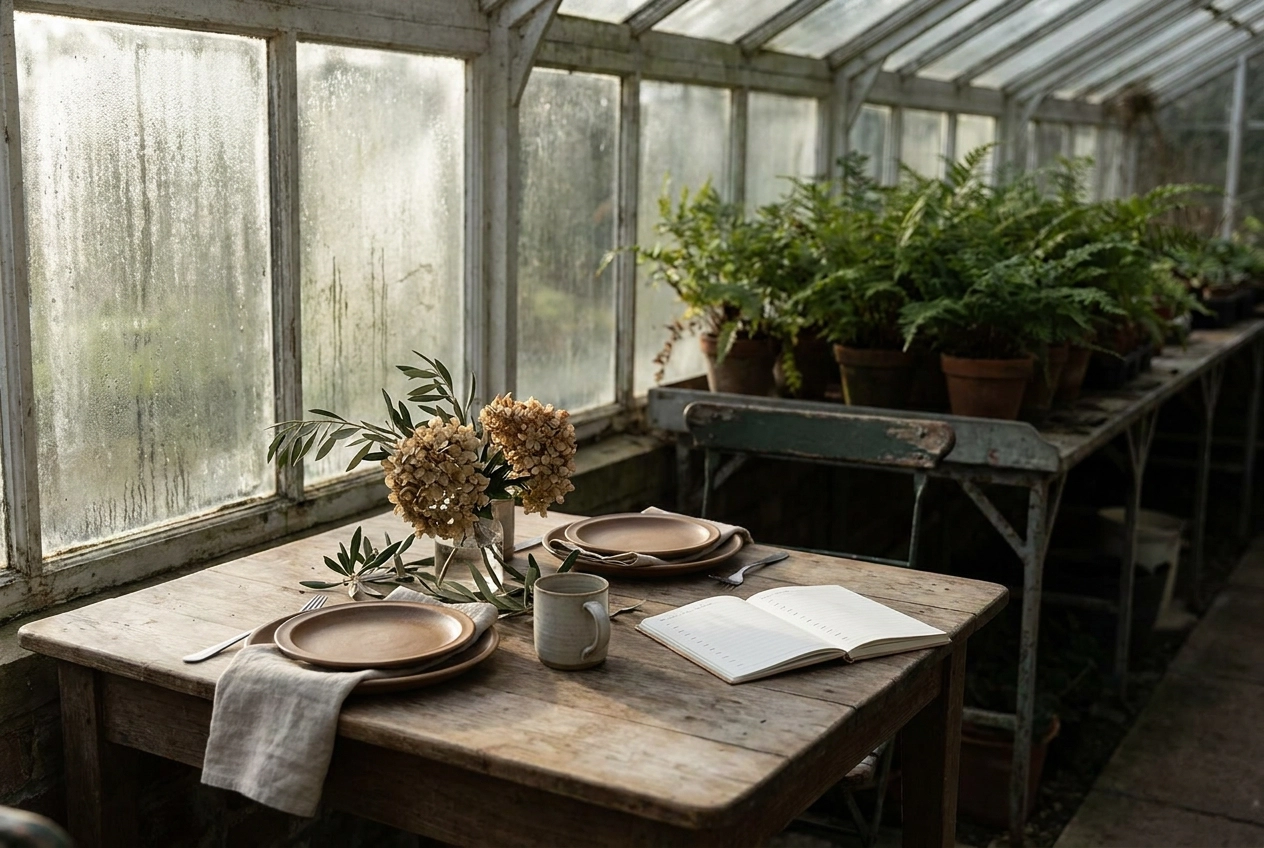
A greenhouse wedding venue offers something genuinely different from traditional options. Think soft natural light filtering through glass panels, lush greenery surrounding you on all sides, and an intimate atmosphere that feels personal rather than performative. It is the kind of space that suits couples who want their wedding to feel like them, not like a catering hall rental.
This post walks you through everything you would want to know before reaching out to book a showing. We will cover how the greenhouse compares to other venue types, why it functions beautifully across every season, what the capacity looks like, how ceremony and reception setups actually work, and whether this space is the right fit for your wedding vision. If you are considering a micro-wedding or elopement, keep reading.
What Makes a Greenhouse Wedding Venue Different from a Garden or Ballroom
A greenhouse wedding venue occupies a genuinely distinct category. It is not a garden, and it is not a ballroom; it borrows the best qualities of both while avoiding the main drawbacks of each.
Here is what separates it from the alternatives:
- Shelter without sacrificing atmosphere. A greenhouse gives you natural light, living greenery, and the visual warmth of a garden, all under a protected roof. Rain, wind, and unexpected temperature drops stay outside.
- Climate control that a garden cannot offer. An open-air garden venue is at the mercy of the forecast. A greenhouse maintains consistent temperature year-round, so guests are comfortable whether it is July or January.
- Organic materials that decorate themselves. Ballrooms start as neutral, empty boxes requiring significant florals and rentals to feel alive. A greenhouse already has texture: glass panels, structural framework, plant life, and natural materials. Less decoration is needed.
- Acoustics that serve small ceremonies. Open-air spaces scatter sound; large halls echo. An enclosed greenhouse contains voices naturally, making every word of your vows audible from every seat.
- Indoor space connected to expansive grounds. The Chimney Hill greenhouse sits within 8.5 acres of estate property in Lambertville, NJ. Guests experience a curated interior and then step outside into open gardens and manicured grounds. If you want to explore why the Chimney Hill greenhouse works so well for intimate events, that indoor-outdoor connection is a big part of the answer.
Why the Greenhouse Works Across All Four Seasons
That shelter from the elements, introduced above, takes on a different character in each season:
- Spring and summer bring the greenhouse to its brightest. Natural light pours through the glass panels, and the estate gardens outside are at peak growth and color. The boundary between inside and outside essentially disappears visually, which is a big part of what makes this an indoor garden wedding venue worth considering over a conventional hall.
- Fall shifts everything toward warmth. The mature trees and landscaping on the 8.5-acre estate cycle through amber and rust tones that read beautifully through the greenhouse glass. You get that cozy, golden atmosphere without giving up shelter.
- Winter offers the most dramatic look. The greenhouse interior stays warm and inviting while the landscape outside goes quiet and stark. That contrast photographs exceptionally well, and it’s a look you can’t replicate in a ballroom or tented garden space.
Lambertville’s position along the Delaware River means the area sees real humidity swings and temperature variation across the year. New Jersey greenhouses require compliant heating, cooling, and humidity management systems, so those environmental shifts stay outside where they belong. You can read more about why seasonal transition makes outdoor space more interesting across the estate grounds as well.
For couples who’ve had a date disrupted by weather, or who are eyeing a non-peak month to keep costs down, that reliability matters more than almost any other venue feature.
Greenhouse Capacity: Why It Is Designed for Micro-Weddings and Elopements
All-season access is only half the equation. The other half is whether the space actually fits your wedding.
The Chimney Hill greenhouse is sized for intimate gatherings, the kind where you can see every face in the room without scanning a crowd. Think a few dozen guests rather than a full reception hall. That scale is intentional, and it’s exactly what makes it work.
- It matches how couples are celebrating right now. Micro-weddings have emerged as a documented trend heading into 2026, as couples shift focus from headcount to experience. Fewer guests means more presence, more conversation, and a day that actually feels like yours.
- Smaller capacity is a feature, not a compromise. Every seat feels deliberate. Vendors and caterers can work at a quality level that simply isn’t possible when scaling for 150. The attention stays on the couple, not the logistics.
- It fits elopements, minimonies, and vow renewals naturally. A full ballroom would swallow these moments. The greenhouse holds them. The scale is proportional to the intimacy you’re going for, and that alignment shows in photographs, atmosphere, and how guests remember the day.
- Confirm your specific numbers directly with Chimney Hill. Ceremony-only and combined ceremony-and-reception setups each have their own spatial logic. If budget is also on your mind, Chimney Hill’s transparent wedding pricing guide is a good place to review before you reach out.
- Not sure your guest count fits? The estate’s other spaces are worth discussing with the events team.
Ceremony Setup: How the Space Is Configured for Your Vows
Once you know your guest count fits the greenhouse, the next question is how the space comes together for your ceremony.
The layout follows a straightforward logic. The couple stands at the far end while guests sit in rows or a gentle curved arrangement facing inward. The glass walls wrap around the scene, giving everyone a living, plant-filled backdrop without a rented panel or drape in sight.
Lighting works in your favor. Natural light comes from above through the glass roof and through the side panels, so illumination is even across the entire space. That evenness is useful for photography: no dark pockets or blown-out spots the way you get in windowless ballrooms.
The greenhouse’s built-in textures do a lot of the decorating work. Structural framing, natural materials underfoot, and surrounding plant life already give the space visual warmth and dimension. You are starting from a furnished canvas, not a blank one.
Defining your aisle is still personal. Florals, candles, lanterns, or simple ribbon installations are all you need to mark the path. The architecture provides the frame; your styling fills it in.
If you are bringing in an outside florist or decorator, confirm Chimney Hill’s vendor policies and ask about setup access windows before you finalize logistics. Getting that clarity early keeps your ceremony-day timeline clean. (Note: this same principle applies whether you are planning a wedding or mapping activity flow for a full-day private estate event.)
The intimate scale means every seat has a clear sightline to the couple, something larger garden party wedding venues cannot promise without careful staging.
Reception Setup: Transitioning from Ceremony to Celebration
Once the ceremony wraps, the greenhouse shifts into reception mode. For couples using the space for both, resetting the furniture from ceremony rows into dining or cocktail arrangements transforms the room without changing venues.
A cocktail-style layout tends to suit the greenhouse footprint best. High-top tables and lounge seating keep the atmosphere relaxed and social rather than formally structured, matching the organic, unhurried feel of a garden setting. Guests naturally move and mingle instead of staying anchored to assigned seats all evening.
Seated dinners work well too, as long as the guest count stays at micro-wedding scale. With a smaller group, table arrangements can be designed around conversation rather than cramming in as many covers as possible. Every table feels intentional.
Lighting makes a significant difference once the ceremony ends. Candles, string lights, and low ambient sources reflect off the glass panels in a way that a windowless room cannot replicate. The warmth compounds as the evening deepens, making the space feel progressively more intimate without extra effort.
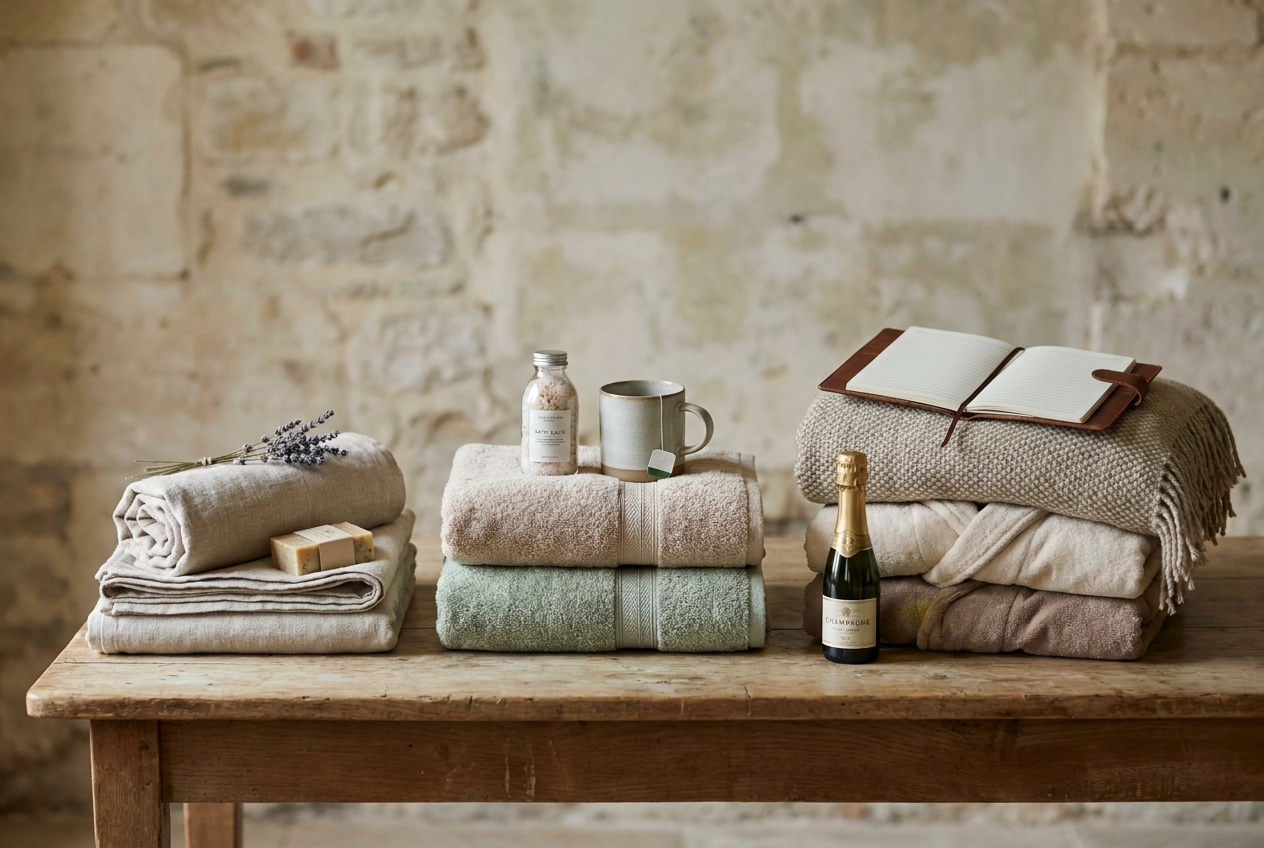
The bed and breakfast structure of the estate extends the celebration beyond the reception itself. Couples and guests can stay on-site, and previous guests have noted that a morning-after brunch, such as a Bloody Mary bar on the grounds, adds a memorable final chapter to the weekend. If you want to explore how private dining and overnight stays fit into a multi-day event at Chimney Hill, the estate’s guide to choosing the right spaces inside the property is a useful starting point.
For catering logistics, kitchen access, and whether preferred vendor lists apply specifically to greenhouse events, contact Chimney Hill directly before making assumptions about what is included.
Natural Light, Photography, and the Greenhouse Aesthetic
Beyond the lighting setup inside the reception, the greenhouse delivers something most venues simply cannot manufacture: natural light photography conditions prized by wedding photographers for their softness and flattery.
Here is why the greenhouse aesthetic works so well on camera:
- Diffused light all day. The glass panels soften incoming light, reducing the harsh shadows and hot spots common in venues with direct window exposure. The result is even, soft illumination whether the sun is high overhead or behind clouds.
- Reliable on overcast days. A cloudy sky acts as a natural softbox, and greenhouse glass amplifies that effect. Couples who book in November or February still get excellent light inside the structure.
- Instant exterior access. Chimney Hill’s 8.5 acres put gardens, stone walls, and open lawn steps from the greenhouse door. Photographers can rotate between interior and exterior portraits without burning time on logistics.
- Season-specific light character, covered above in the seasonal breakdown, means every time of year brings its own photographic mood to the space.
- Golden hour planning matters. Lambertville’s geographic position means golden hour timing and angle vary meaningfully by season. Share the greenhouse orientation with your photographer in advance so you can build a portrait window around peak light rather than miss it.
The Broader Estate Experience: What Guests Encounter Beyond the Greenhouse
The greenhouse sits within a full 8.5-acre estate that includes beautifully appointed guest rooms, suites, and shared common spaces. That context matters. You’re not renting a single room in a larger commercial facility; you’re hosting your celebration inside a curated property where every corner has been considered.
For out-of-town guests, that distinction is genuinely practical. Closest family and friends can stay on-site, and everyone wakes up in the same intimate, well-managed location, which is especially valuable for a micro-wedding or private weekend event where the experience should feel cohesive from Friday evening through Sunday morning.
The surrounding town of Lambertville adds a second layer. The town is known as a destination in its own right, giving guests opportunities to explore before or after the celebration, but confirm current dining and activity options through the Lambertville tourism resources your coordinator can share.
Owners Marek Wonka and Sylvester Kolakowski have been restoring the property since 2021, and that ongoing investment is visible in the grounds and facilities. What couples tour today reflects a significantly higher standard of upkeep than the pre-renovation estate, and that trajectory is continuing rather than complete.
Questions to Ask Chimney Hill Before You Request a Showing
Before you schedule a showing, get these six questions answered. The greenhouse is a distinctive and bookable space, and the specifics matter for planning.
- What is the confirmed capacity? Ask separately for ceremony-only and ceremony-plus-reception configurations. The numbers may differ, and knowing both upfront tells you whether your guest list fits without rearranging your vision.
- When does it book up? Ask which dates are already claimed and how far in advance couples typically need to reserve to secure their first choice.
- What is included in the package? Get a clear list of what Chimney Hill provides, such as furniture, lighting, and catering coordination, versus what you source independently. This directly affects your overall budget math.
- What is the vendor policy? Some venues require vendors from an approved list; others welcome outside vendors freely. Confirm whether your florist, caterer, and photographer can work the space without restriction.
- What are the vendor access windows? Ask how early vendors can arrive to set up and how much time they have to break down after the event. Also confirm whether there is a dedicated loading or staging area near the greenhouse.
- What are the event policies? Ask about the latest end time, any noise restrictions, and whether those rules apply differently to greenhouse events versus other spaces on the property.
Bring this list to your initial conversation with the estate’s events team and you will leave with a clear picture of whether the greenhouse fits your day.
Is the Chimney Hill Greenhouse Right for Your Wedding?
Once you’ve worked through the questions above, the answer becomes fairly clear. If you want an intimate, naturally beautiful ceremony space that works year-round, the Chimney Hill greenhouse is ideally suited for exactly that.
The next step is straightforward: contact the estate directly to confirm capacity for your guest count, check your date, and schedule a showing. Seeing the natural light firsthand is the only way to know whether the space fits your vision.
When you visit, build in extra time to walk the full 8.5-acre grounds. The greenhouse and the estate are inseparable; the gardens, open lawn, and historic setting in Lambertville shape the experience as much as the glass walls do. (The property’s appeal extends well beyond weddings, as this look at why Chimney Hill Estate fits a girls’ weekend illustrates.)
If intimacy, light, and a setting that photographs beautifully in any season matter more to you than a large guest list, this greenhouse is worth a serious look.
Conclusion
The greenhouse is built for small, meaningful gatherings where the setting does the work. Confirm your guest count, check date availability, and reach out to the Chimney Hill events team to schedule a showing.