You have offered to host the milestone birthday, which means you are likely the one writing the checks. It also means you are probably staring at a long list of potential venues and wondering where to even begin your search for places to rent for a birthday party near me. Before you get lost in logistics, it helps to shift your focus. For a 40th, 50th, or 60th, the venue is not just a backdrop. It actively decides the experience: whether guests can mingle between rooms, if out-of-town family has a comfortable place to stay, and if the celebration ends abruptly because of a local ordinance. Renting a single estate solves these issues at once. For example, Chimney Hill Estate describes itself as a bed and breakfast-style resort on 8.5 acres in Lambertville, offering rooms, suites, and event spaces. This kind of setup can make the choice feel like a gift rather than a rental. In this post, we will walk through why one estate often beats a single room, how to factor in local rules like Lambertville’s noise and curfew sections, and what to ask before you book.
The Real Question Is Not Where to Book, It Is What Guests Will Remember
If you’re the adult child or partner writing the check for a 40th, 50th, or 60th birthday in New Jersey, you’re probably renting an event space for the first time. That means you’re comparing two very different things: an estate and a single rented room. You are not buying square footage. You are buying the version of the evening your parent or partner will retell for the next decade.
Searches like places to rent for a birthday party near me and small party rooms for rent near me return two different kinds of space. The difference isn’t decoration. It’s the kind of space, and that quietly decides how the night goes. One estate answers three buyer questions at once: can guests move between rooms, does out-of-town family have somewhere to sleep, and how late can the celebration run? A single room usually answers none without a workaround.
This matters locally. A milestone birthday near Lambertville or anywhere in New Jersey is shaped by the venue’s grounds, layout, and local rules, not by the centerpiece. The same estate-versus-private-room logic applies when you weigh a private estate against a restaurant private room, and it starts before you tour anything.
Pillar 1: Room to Move, and Why One Estate Beats a Single Rented Room
Here’s where the venue decision starts to show up in the guest experience, and it has almost nothing to do with décor. Picture the conventional setup: one rented event room, seats for about sixty, four hours on the clock. If you want a change of scene, everyone finds their car.
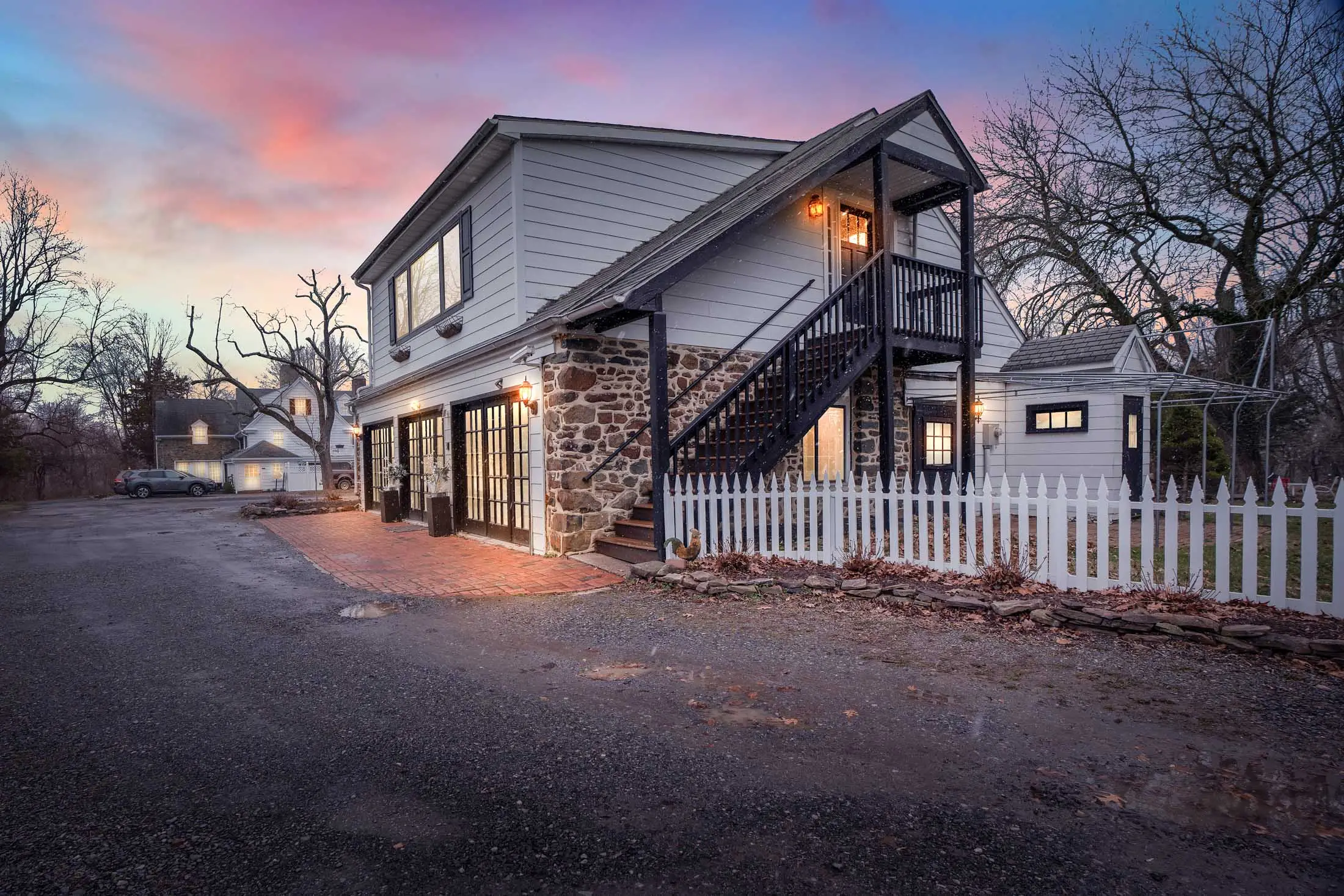
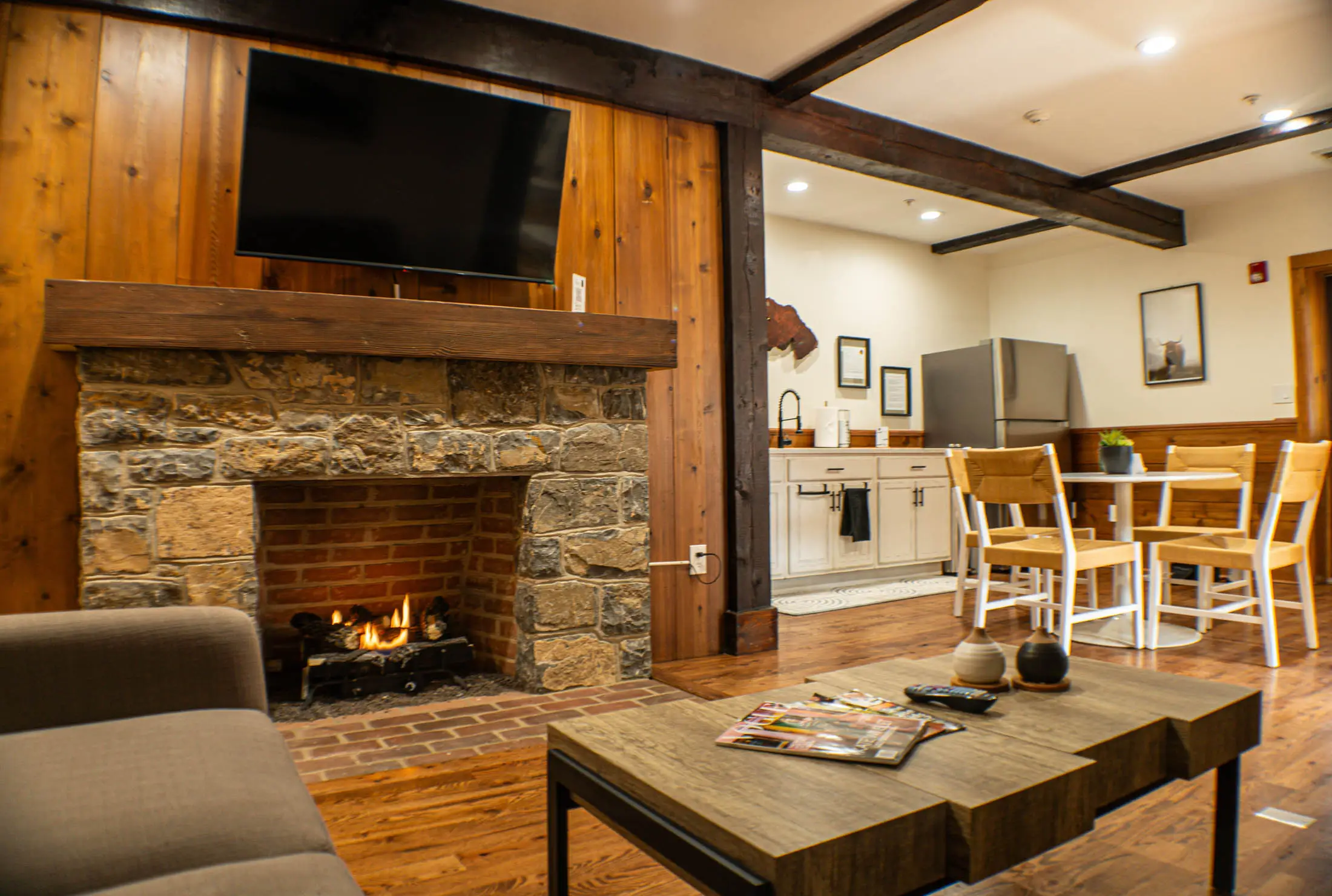
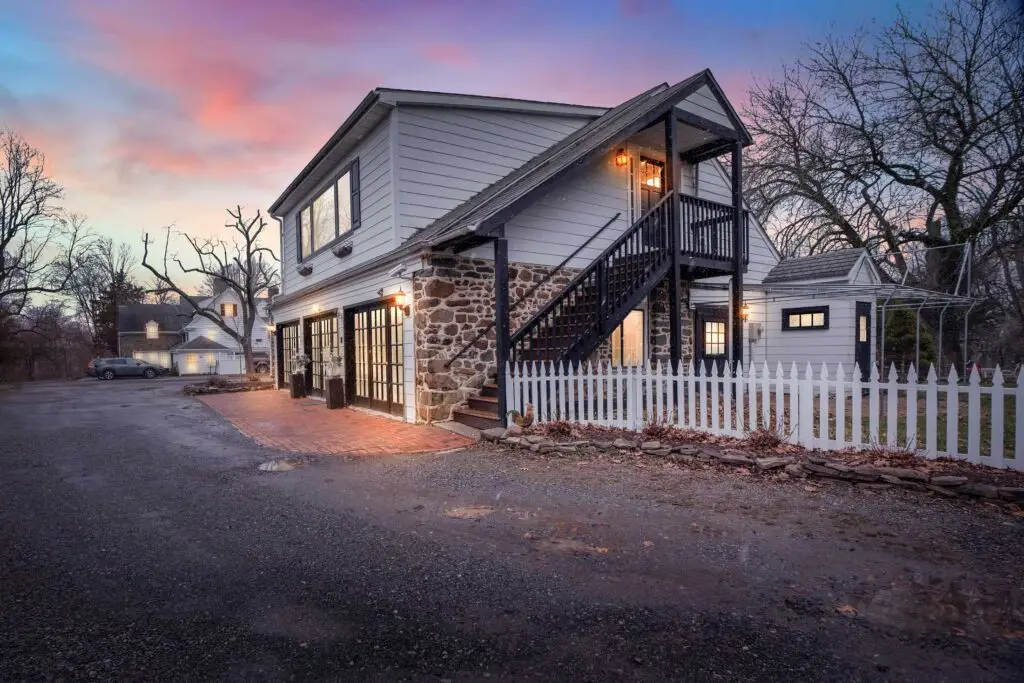
An estate model works differently. A property with rooms, suites, and several event spaces lets people drift from a welcome hour to dinner to a quieter corner without leaving the grounds. Chimney Hill Estate describes itself, according to its own description, as a bed and breakfast-style resort in Lambertville on 8.5 acres with rooms, suites, and event spaces for celebrations. That setup is a big part of why an estate is ideal for private events.
The social payoff matters more than the aesthetic one. Older guests can settle near the quiet end while younger guests stay near the music, and nobody has to choose between the party and a real conversation.
One honest caveat: marketing copy rarely spells out how guests actually flow between spaces. Before you assume a particular layout, ask any property to describe its event spaces and share a simple layout, then compare that against the single-room option. The floor plan, not the brochure, tells you which night you’re actually buying.
Pillar 2: Somewhere for Out-of-Town Family to Stay
Picture the alternative. Your aunt flies in from Ohio, your cousin drives down from Massachusetts, and your partner’s brother comes in from Pennsylvania. At a single-room venue, that means three hotel bookings, three morning drives to the party, and three separate rides home once the last dance ends. You spend the evening doing mental math about who is driving whom instead of watching the guest of honor blow out the candles.
When rooms and suites sit on the same property, that entire problem disappears. Family stays where the party is. Nobody watches the clock for a shuttle, because the bed is a short walk away. This is the same structural logic behind on-site lodging at a corporate retreat, where sleeping steps from the event keeps people present instead of managing logistics.
Then comes the morning after. Breakfast on the grounds turns one evening into a weekend. The birthday does not cut off at the last dance. It continues over coffee, when the stories get told again.
Ask for capacity in writing. Chimney Hill’s own description mentions rooms and suites, but it does not publish a room count or sleeping capacity. Get those numbers from any property before you compare options fairly.
There is a practical safety benefit too. On-site lodging removes designated-driver pressure, and that matters when guests are traveling from out of state. In 2024, alcohol-impaired driving was involved in 11,904 deaths, or 30% of all U.S. traffic fatalities, according to NHTSA. Fewer cars leaving at midnight is a quieter win.
The party becomes a weekend. That is the shift.
Pillar 3: How Late Can the Night Go? Local Rules as a Decision Factor
Once you know where everyone sleeps, the next question is when everyone leaves. New Jersey municipalities set their own noise, alcohol, fireworks, and curfew rules, so the answer changes town by town. Lambertville’s police regulations index lists separate sections on noise, curfew, alcohol possession and consumption, and fireworks, which tells you these are local issues to check, not a statewide default, according to the municipal code index. This article will not give you a closing hour or a decibel limit. The text of those Lambertville sections was not retrieved, and inventing a number would mislead you while you are comparing venues.
Instead, compare the practical setup. A downtown hall and an 8.5-acre estate with its own grounds and on-site rooms can face very different limits on sound, parking, and late-night activity. Before you compare anything else, ask the venue in writing how local noise rules apply to your event and what time the celebration actually has to end. If younger family members are coming, ask separately about alcohol on private property and underage guests, since Lambertville treats those as separate municipal issues.
Local calendars matter too, so if your date lands near a seasonal town event, check what else is happening around Lambertville before you commit.
Why One Estate Reads as a Gift, Not a Rental
The rules are part of a bigger picture: what you are really deciding is what the guest of honor receives. Not the price tag. The distinction is a weekend with their people versus a four-hour block in a rented room.
Combine movement, lodging, and time in one place and the emotional framing of the transaction changes. The same budget stops reading like an invoice and starts reading like a present. Research on gift-giving supports the idea that experiential gifts produce greater improvements in relationship strength than material ones (Chan & Mogilner, Journal of Consumer Research, 2016), and a milestone weekend is the version of that your family will actually live through.
Here is the blunt part: guests remember logistics failures far longer than they remember centerpieces. The lost cars. The hotel scramble. The early last call. Nobody rehashes the table linens for a decade, but they will retell the night half the family couldn’t find the party.
Treat this as an argument, not a measured finding. It reflects how the venue decision changes what is possible, so test it against your own guest list and family geography. One concrete test: draft the invitation around the weekend rather than the dinner. Describe arrival, where everyone sleeps, and the shared morning. If the plan only works when every guest can fit in one room at one time, you have your answer.
This is the same logic that distinguishes a genuine historic estate from a purpose-built hall with a garden backdrop. The shape of the space decides how the celebration unfolds.
What to Ask Any Estate Before You Book a Milestone Birthday
Run this checklist on every estate you tour, and on any small party room you compare it against. The answers are what separate a pretty brochure from a venue that actually works.
How many event spaces, and how do guests move between them? Get the count and a simple layout, then ask whether the route between them is level and comfortable for older guests or anyone using a cane or walker. Accessible routes and assembly areas fall under the U.S. Access Board’s ADA standards, so a prepared venue should be able to answer without guessing.
What is the actual room count and sleeping capacity? Public descriptions often mention rooms and suites without numbers. Ask for exact figures in writing, because capacity decides whether the lodging argument holds.
How do local rules apply to your event? Ask in writing how noise, curfew, alcohol, and fireworks ordinances affect private parties, and confirm the actual end time rather than assuming it.
What is included? Tables, linens, sound, parking, and grounds access, plus whether you must hire from an approved vendor list.
Can I walk the property at party hour? Tour when your event will actually run, not at 11 a.m. on a Tuesday. Venues often publish wedding pricing more openly than birthday details, so it helps to read something like what a wedding at Chimney Hill Estate actually costs to understand how packages are structured before you ask about yours.
Then compare notes side by side. The venue that answers all five clearly is the one worth your deposit.
Chimney Hill Estate as the Local Example of the Estate Model
So you’ve got your list of questions and you’re ready to start touring. To see what the estate model looks like in practice, consider Chimney Hill Estate. According to the property’s own description, it’s a bed and breakfast-style resort in the historic town of Lambertville, New Jersey, set on 8.5 acres. That same description notes rooms, suites, and a variety of event spaces for celebrations, which is exactly the setup this article has been asking you to weigh: multiple spaces, on-site lodging, and room to roam.
Ownership changed in 2021, when Marek Wonka and Sylvester Kolakowski took over the property and began a restoration of the historic estate, per the owners’ own account. That restoration matters for a buyer because it suggests a property actively invested in its guest experience.
The Lambertville location also keeps this anchored to New Jersey, which matters if you’re searching for places to rent for a birthday party in the region. And if you’re imagining the weekend beyond the party itself, the estate’s own two-night itinerary shows how guests might spend their time between celebrations.
One note on scope: this article isn’t ranking venues, and it doesn’t name or compare other properties. Chimney Hill appears here as a single illustration of what an estate rental makes possible, so use it as a reference point while you do your own comparing.
Your Next Step: Match the Venue to the Memory
Before you tour anything, get clear on the memory you’re after. If it’s a room with a playlist and a cake, a small party room is honest and simple. If it’s the weekend your dad retells for years, think estate shape, not shortest drive.
Confirm three things in writing before you sign: how guests move between spaces, how many people can sleep on site, and what time local rules require the celebration to end. Then walk the property at the exact hour your party will run and ask the end-time question in person. If you’re comparing contracts, the framework in our guide to estate wedding venues in New Jersey translates surprisingly well to milestone birthdays.
Finally, treat the estate model as one option against a single rented room, and let your guest list make the call. Count the out-of-towners, the older relatives, the ones who’d stay for breakfast. If the list says weekend, the venue shape should too.
Conclusion
The memory you want should drive the venue decision, not the shortest drive or the first available room. An estate model changes what guests remember by giving them room to move, space for out-of-town family to stay, and a clear local end time you confirm in writing. Ask how guests move between spaces, how many can sleep on site, and when the celebration must stop. Then compare that estate shape against a single rented room using your actual guest list. As a next step, count the out-of-towners and older relatives who would stay for breakfast. If the list says weekend, tour a property like Chimney Hill Estate at the exact hour your party will run and ask the end-time question in person. Match the venue to the memory, and the milestone takes care of itself.