Historic Lambertville Is Best Seen on Foot
Lambertville rewards people who slow down. The town is not only a riverfront shopping stop or a dinner destination across from New Hope. It is a layered historic place with old streets, Federal rowhouses, churches, former industrial buildings, canal history, art galleries, and homes that tell the story of how the town grew.
October is one of the best times to see it. The air is cooler, the brick looks warmer, the trees begin to turn, and the Delaware River Valley feels made for walking. A self-guided route through Lambertville lets visitors notice the details that are easy to miss from a car: fanlights over old doors, narrow side streets, stonework, porch railings, historic markers, canal edges, and the way the town steps from river commerce into residential streets.
This guide is built around the Lambertville Historical Society’s autumn Tour and Taste on October 17, 2026, with tour activity running through the day and ending as late as 4:30 p.m. It also uses the society’s self-guided walking route as the backbone for a broader historic walk. For guests staying at Chimney Hill Estate, it turns a fall weekend into something richer: town history by day, river town dining by evening, and a quiet stay in a house with its own history at night.
Why October Makes the Architecture Stand Out
Lambertville looks good in every season, but fall gives the town more contrast. Red brick, old stone, painted trim, iron fencing, and slate roofs feel sharper against yellow leaves and cooler light. The canal becomes reflective. The side streets feel quieter. Even familiar blocks feel more textured when the season changes.
Architecture also feels easier to appreciate in October because walking is comfortable. Summer can make a long town walk feel heavy. Winter can shorten the mood. Fall gives visitors room to look up, pause, cross streets carefully, and read the town one block at a time.
Federal rowhouses are part of that experience. So are Victorian homes, Gothic churches, old civic buildings, canal related sites, and repurposed commercial spaces. Lambertville’s beauty does not come from one style. It comes from the way several periods sit close together.
That is why a historic walk works so well here. You do not need to travel far between eras. Bridge Street, Church Street, Coryell Street, York Street, North Union Street, and the canal corridor all reveal different pieces of the town’s story within a short area.
Start With the Lambertville Historical Society
The Lambertville Historical Society gives visitors the best framework for understanding the town beyond storefronts and restaurants. Its self-guided walking tour points people toward key sites, including the James Marshall House at 60 Bridge Street, churches, historic residences, City Hall, the canal, and other landmarks that explain how Lambertville developed.
Guests who want the official route should begin with the Lambertville Historical Society self-guided walking tour. It gives visitors a clear historical path through the center of town and helps turn a casual stroll into a more informed experience.
This matters because Lambertville’s history hides in plain sight. You might pass a former church without realizing its next chapter. You might admire a house without knowing how it connects to an early family, a railroad engineer, an artist, or a civic building. The Historical Society route helps visitors connect what they see to the people and events that shaped the town.
For travelers staying nearby, the self-guided tour is also practical. It does not require a full day. It lets guests choose their own pace, pause for coffee, browse galleries, and return to the route when they are ready.
Bridge Street Sets the Story in Motion
Bridge Street is a natural place to begin because it connects Lambertville’s historic identity with its modern visitor experience. It leads toward the bridge to New Hope, but it also holds some of the town’s most meaningful history.
The James Marshall House at 60 Bridge Street is the home of the Lambertville Historical Society and a strong starting point for the walk. James Wilson Marshall is tied to the California Gold Rush through his 1848 discovery at Sutter’s Mill, but his boyhood home sits here in Lambertville. That detail alone shows how far the town’s story reaches.
Nearby churches and former religious buildings add another layer. Lambertville’s streets show how congregations, civic life, family homes, and commercial activity grew close together. The town does not separate its history into one museum district. It spreads it across blocks people still use every day.
As visitors move west on Bridge Street, the architecture begins to shift from main street activity into the quieter residential fabric of the town. That transition is one of the pleasures of walking Lambertville. In a few minutes, the street changes tone without losing its sense of place.
Churches, Stonework, and the Shape of the Old Town
Historic churches help visitors read Lambertville’s development. St. John the Evangelist Catholic Church, First Presbyterian Church, and St. Andrew’s Episcopal Church all carry different architectural and community stories. Their styles, locations, and dates point to the way the town grew through the 19th century.
First Presbyterian Church is especially important during the Autumn Tour and Taste because the Historical Society’s event page lists a tour of the lower floor and main space of the church, which was founded in 1816. That kind of interior access gives visitors something a normal walk cannot offer.
Churches also show how stone, brick, and civic memory live together in Lambertville. Cemeteries, churchyards, and older streets create pauses in the walk. They remind visitors that this is not a themed historic district created for tourism. It is a real town with generations of use behind it.
When walking, look at the details: stone patterns, pointed windows, doorways, steps, and how each building sits in relation to the street. These features tell you as much as a plaque does.
Federal Rowhouses and the Beauty of Repetition
Federal rowhouses are one of Lambertville’s quiet strengths. They do not announce themselves the way a grand Victorian home does. Their beauty is in proportion, rhythm, and restraint.
Look for narrow fronts, balanced windows, brick facades, simple lintels, fanlights, and doors set close to the sidewalk. These houses create a street wall that feels intimate and walkable. They also help explain how Lambertville functioned as a working town, with homes, shops, churches, and transportation routes all close together.
Federal style buildings often reward repeat looking. At first, they may seem plain. Then the eye starts to notice scale, symmetry, craftsmanship, and the way each house differs slightly from its neighbor. A painted door, a cornice detail, a step, or a window pattern gives the row its personality.
For visitors coming from newer suburbs or highway hotel corridors, this kind of architecture feels refreshing. The streets were built for walking and daily life. That is why Lambertville feels so good on foot.
Coryell Street, York Street, and the Residential Story
Coryell Street and York Street reveal another side of Lambertville. These streets bring visitors into older residential blocks with houses connected to artists, civic leaders, early families, and the town’s changing fortunes.
The Historical Society’s self-guided route points to 44 Coryell Street, one of Lambertville’s oldest homes, with a central section dating to 1797. It also highlights nearby houses, parks, civic buildings, and stories tied to preservation and reuse.
York Street adds architectural variety. The route points to homes, City Hall, and streets tied to early travel routes between New York City and Philadelphia. These details give visitors a better sense of why Lambertville mattered. It was not an isolated river town. It sat within a network of roads, ferries, canals, rail lines, commerce, and movement.
Walking these blocks is useful because the town becomes less postcard and more lived in. You begin to see Lambertville as a place shaped by transportation, industry, faith, family, art, and preservation.
The Canal Explains Lambertville’s Growth
No historic walk through Lambertville feels complete without the canal. The Delaware and Raritan Canal changed the town’s development and helped connect it to a larger commercial story. The Lambertville Historical Society route notes that the canal was dug by hand, opened in 1834, and supported cargo movement before railroads changed the transportation picture.
Today, the canal gives visitors one of the most pleasant walking experiences in town. It softens the route. After streets, houses, churches, and civic buildings, the canal offers water, shade, reflections, and a slower pace.
The canal also helps visitors understand why Lambertville looks the way it does. Homes, businesses, warehouses, and industrial sites developed around movement. Goods, people, and ideas passed through. The canal was not decorative when it opened. It was infrastructure.
That is part of what makes the modern walk so interesting. The same corridor that once carried cargo now carries walkers, cyclists, visitors, locals, and guests looking for a quiet fall route.
The Autumn Tour and Taste Adds Interior Access
A self-guided walk shows the outside of Lambertville. The Autumn Tour and Taste adds what most walkers do not usually get: interior access and guided commentary.
For October 17, the Lambertville Historical Society’s Tour and Taste event includes guided visits to historic home interiors, Lambertville’s oldest church, art gallery stops, and tastings at local food purveyors. The event page notes that the guided tour includes two classic Lambertville Victorian Era showcase residences built in 1890 and 1891, Jim’s of Lambertville, First Presbyterian Church, and tastings at Under The Moon, Savour, and La Chocolate Box.
Visitors planning around the event should use Lambertville Historical Society’s October 17 Tour and Taste details for current ticket status, time slots, meeting information, and rules before making plans.
This is the kind of October event that makes a fall stay more memorable. It connects architecture, food, art, and local history in a compact walking experience. It also gives visitors a reason to look at Lambertville with more care for the rest of the weekend.
Guided Tours From the Lambertville Historical Society
Guided tours from the Lambertville Historical Society give visitors something a normal walk cannot: context from people who know the buildings, the families, the streets, and the preservation work behind them.
That matters during Tour and Taste because guests are not only looking at old rooms. They are hearing why those rooms matter. They are learning how a Victorian Era residence fits the town’s growth. They are seeing how churches, galleries, food purveyors, and homes belong to one local story.
The guided format also helps visitors notice details they might otherwise miss. A window shape, a stair, a fireplace, a restored floor, a preserved facade, or a reused room becomes more meaningful when someone explains what it represents.
Even guests who cannot attend the guided event can still use the Historical Society’s self-guided route to build a strong fall walk. The guided event and the self-guided tour work together: one gives interior access and commentary, the other gives visitors a flexible way to explore the town at their own pace.
How to Build a Self-Guided Route Without Overplanning
A good Lambertville walk should feel structured but not crowded. Start near Bridge Street and the James Marshall House. Move toward the church and residential blocks. Continue through Coryell Street and York Street. Return toward North Union Street and the canal. End with a walk along the water before returning to town for food, galleries, or coffee.
This route works because it gives the town a readable shape. Bridge Street introduces the story. The churches and older homes deepen it. York Street and Coryell Street show residential and civic layers. The canal explains transportation and growth. The town center gives the walk a natural finish.
Do not try to turn every building into a lecture. Let the walk breathe. Read the official tour notes before you go. Choose a few stops that interest you most. Then let the architecture fill in the rest.
In October, leave room for weather and crowds. The town gets busy during fall weekends, and Tour and Taste will bring more people into the central business district. A flexible route keeps the day enjoyable.
What to Notice While You Walk
Notice the doors first. Lambertville doors tell you a lot about age, style, and personality. Some feel formal and symmetrical. Others feel Victorian, colorful, or practical. A door can reveal whether a house wants to impress, blend in, or simply work.
Then look at windows. Their size, spacing, trim, and placement show the rhythm of a facade. Federal rowhouses often rely on balance. Victorian homes often give the eye more decoration, projection, and texture.
Look at rooflines and cornices. Look at stone foundations. Look at the way steps meet the sidewalk. Look at how closely houses sit to the street. Lambertville’s best details are often modest, which makes them easy to miss.
Finally, notice how the canal changes the town’s mood. A few blocks can shift from dense street wall to water, trees, and path. That shift is part of Lambertville’s charm.
Why Chimney Hill Estate Fits a Historic Lambertville Weekend
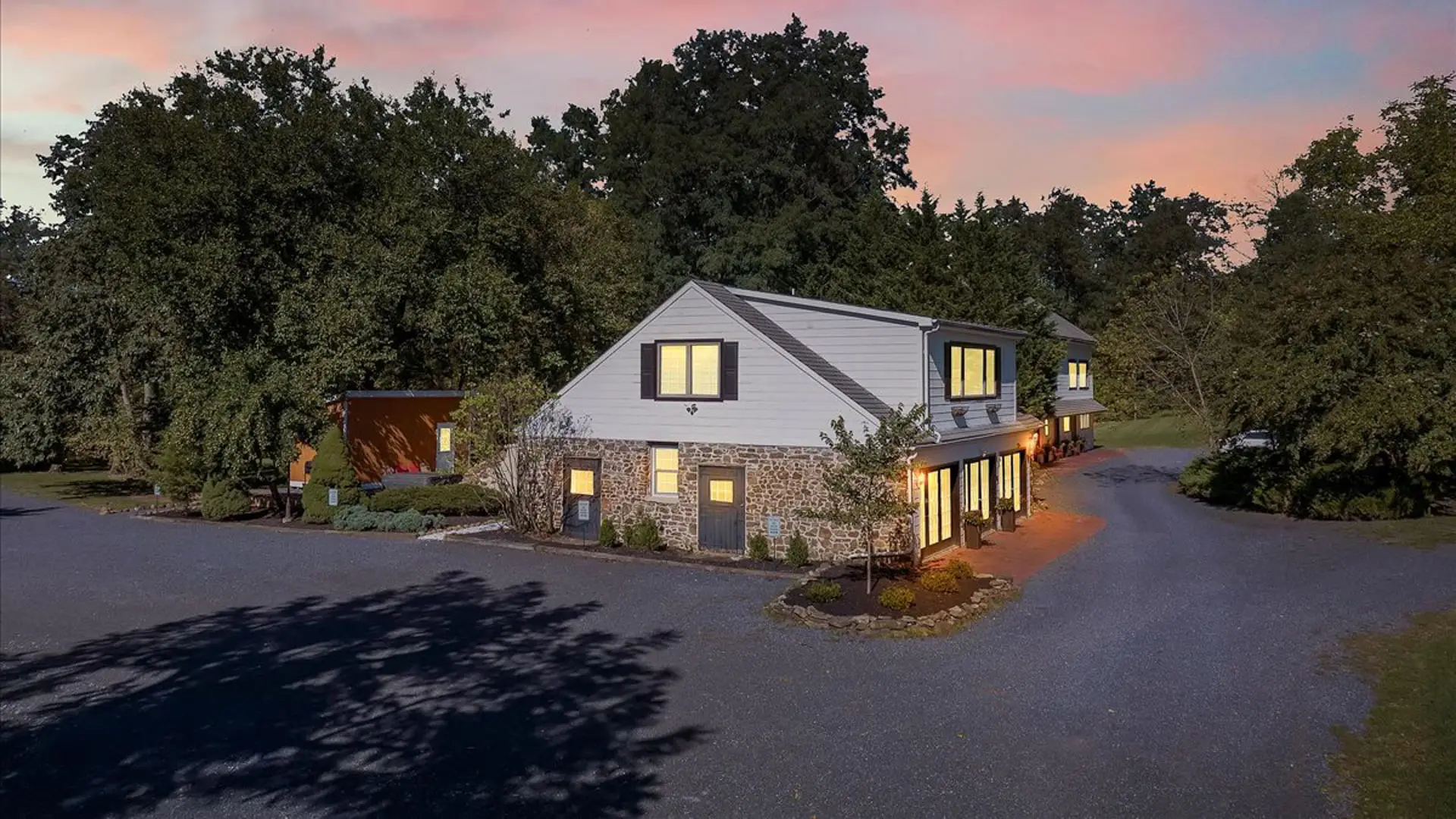
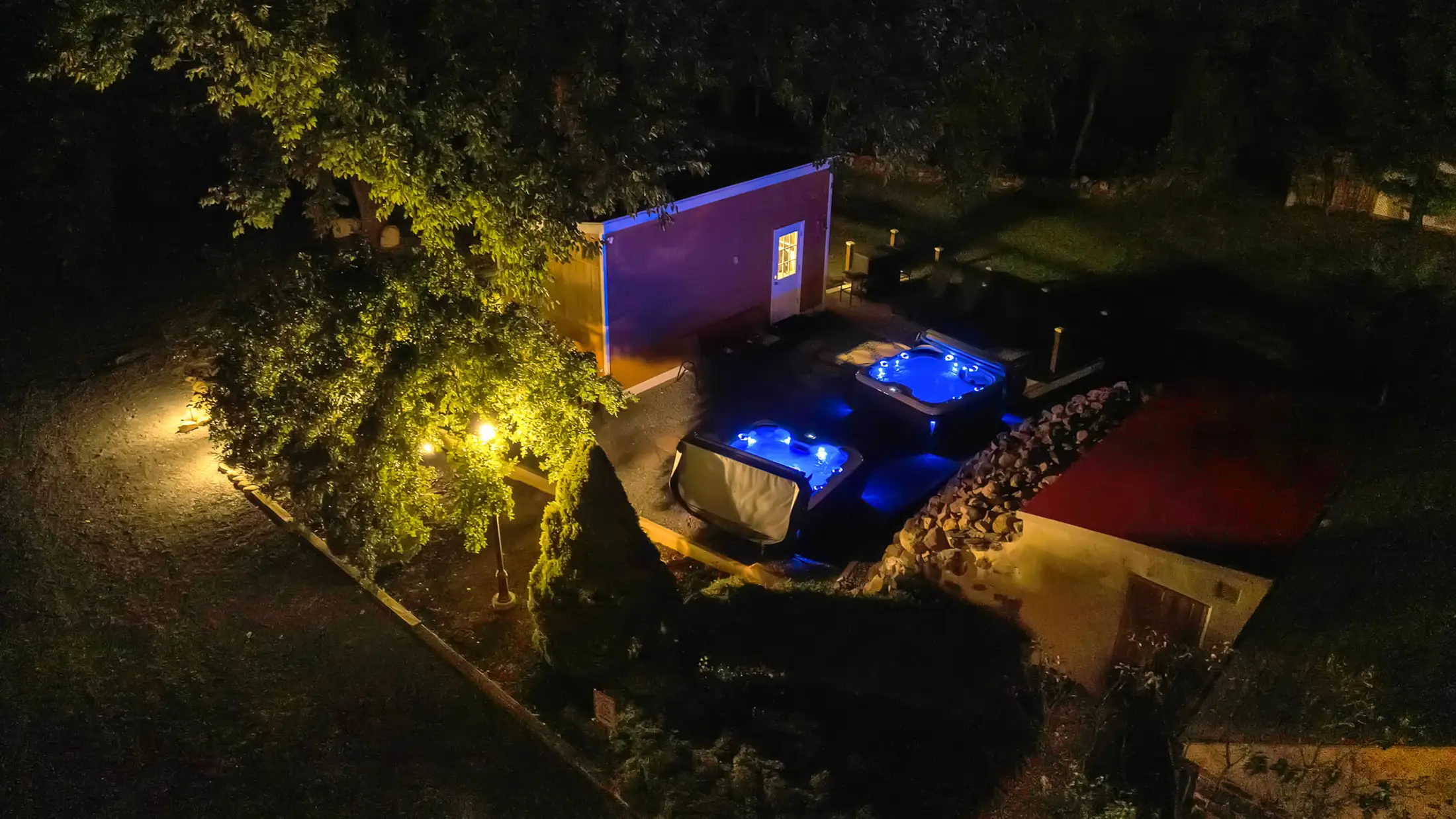
A historic walking weekend deserves a stay with character. Chimney Hill Estate gives guests that connection. The property sits in Lambertville on 8.5 acres and offers a bed and breakfast style resort with rooms, suites, event spaces, and a restored estate setting.
Guests who want the broader property story can read Chimney Hill Estate’s history and restored inn story. The estate’s own sense of place makes it a natural match for visitors coming to Lambertville for architecture, preservation, and history.
The stay also helps the walking weekend feel calmer. Instead of sleeping beside a highway or rushing back from town, guests can return to a quieter property after the Tour and Taste, a canal walk, dinner, or an afternoon of galleries.
That matters because historic travel should not feel like checking off stops. It should leave room for reflection. Chimney Hill Estate gives visitors a place to pause after seeing the town’s homes, churches, canal, and old streets.
Stay Close to the Town, But Not Inside the Rush
October events bring energy to Lambertville. They also bring people. Restaurants fill, sidewalks get busier, parking takes more patience, and the central business district feels alive from late morning into evening.
Staying at Chimney Hill Estate gives guests a smart balance. You remain close to the historic walk, the canal, the Tour and Taste, and New Hope across the bridge. You also have a peaceful place to return when the town grows crowded.
Guests comparing rooms for the weekend can review Chimney Hill Estate rooms and suites near historic Lambertville. The property offers Main House rooms, Barn Suites, and other stay options that fit couples, friends, wedding guests, and fall travelers.
This is especially helpful for guests attending the October 17 Tour and Taste. The event is rain or shine, ticketed, and guided, which means the day has a defined structure. A nearby stay lets visitors make the most of the event without turning the evening into a drive home.
Pair the Tour With Galleries, Food, and the River
Lambertville’s historic walk pairs naturally with its modern pleasures. After the tour, guests can browse galleries, stop for lunch, visit antique shops, walk the canal, or cross the bridge into New Hope.
That blend is part of what makes Lambertville special. The town does not keep history separate from daily life. A former building becomes a performance space. An old home becomes a point of preservation. A canal built for cargo becomes a walking path. A historic street supports restaurants, shops, and galleries.
Tour and Taste understands that mix. By pairing architecture with art and food, the event reflects what visitors already love about Lambertville: it is old, creative, walkable, and full of small discoveries.
For guests staying at Chimney Hill Estate, the event becomes part of a broader fall weekend. Walk the town, enjoy the guided tour, taste local food, add New Hope if time allows, then return to the estate for quiet.
A Walking Route That Tells the Town’s Story
The best Lambertville route begins with identity, moves through architecture, reaches the canal, and ends with the visitor experience that makes the town so loved today.
Start with the Historical Society and Bridge Street. Continue toward the churches and older residential blocks. Notice Federal rowhouses for their symmetry and restraint. Watch how Victorian homes add decoration, height, and personality. Move toward York Street and North Union Street to see civic buildings and larger houses tied to the town’s growth. End near the canal to understand the transportation story that helped shape Lambertville.
This route does not need to be rushed. A walk that takes one person an hour might take another three. Add coffee, photos, reading, shopping, or a gallery stop when the day invites it.
The point is not to cover every inch. The point is to leave with a better understanding of why Lambertville feels different from newer towns. Its streets still carry the shape of its history.
Historic Lambertville Starts at Street Level
Lambertville’s history is not hidden behind velvet ropes. It is at street level. It is in the rows of brick houses, the canal path, the churches, the old civic buildings, the former industrial spaces, and the way the town still invites people to walk.
The October 17 Tour and Taste gives visitors a special chance to go deeper through guided access, local food, and historical commentary. The self-guided walking tour gives everyone else a flexible way to experience the same town story at their own pace.
For guests at Chimney Hill Estate, the weekend becomes more than a place to stay near New Hope and Lambertville. It becomes a chance to live inside the area’s historic character for a night or two.
Walk the streets. Read the buildings. Follow the canal. Look closely at the rowhouses. Let the town explain itself slowly.
Stay in a house with its own history at Chimney Hill Estate.